YEAR TWO
Week one – 25/02
St. James Theatre, Auckland Research
57 Lorne Street/314 Queen Street
Auckland central business district (CBD), Auckland 1010, New Zealand.


The St James theatre is a category 1 heritage listed building, built as a replacement for Fullers’ Opera House, which was destroyed disastrous Auckland fire on 8th December 1926, on Wellesley Street in 1928. It was designed for travelling vaudeville acts, a mixture of specialty acts such as burlesque comedy and song and dance, continuing a tradition of musical and comic entertainment by architect Henry Eli White for its owners Sir Benjamin Fuller and his brother John Fuller.
Henry Eli White, a theatre architect, was born on 21st August 1876 in Dunedin. He has a wide range of trades including bricklaying, painting, plumbing and carpentry while studying engineering and architecture. He was interested in using steel frames and reinforced concrete, ventilation, acoustics and visibility in auditorium design. White, by 1905, had established himself a reputation. With the contract to build His Majesty’s Theatre, Wellington, for Sir Benjamin Fuller in 1912, White built the Midland Hotel and then moved to building theatres in Australia for Hugh McIntosh. By 1929, White had designed over 130 theatres in New Zealand, Australia and including Sydney’s baroque State Theatre which was known for it’s excessive Art Deco ornamentation, its interior made lavish use of marble, gold and ivory decoration, and featured paintings, sculpture.

The St James was modified with the provision of projection facilities. It has continued to be used for both live performance and film, seeing entertainment as diverse as the Bolshoi Ballet and wartime newsreel. The original building is remarkable for its well-preserved interiors, and is an unusual blend of traditional theatre and American picture house design. Traditional elements include the three steep tiers of seating, boxes and high-quality acoustics in the main auditorium, while the influence of cinemas can be seen in the elegant entrance tower on Queen Street (now concealed) and large foyers for public congregation. The ornate Spanish Colonial-style interiors include statuettes, marble steps and elaborate lighting, which was a way of transporting the audience away from their everyday lives. Purpose-built cinemas were added to the original structure in 1957, 1966 and 1982, some with heritage value of their own.


The building is nationally significant as one of the best-preserved vaudeville theatres in the country, and illustrates important changes in popular entertainment during the early twentieth century. It is closely associated with the early motion picture industry in New Zealand, and subsequent developments in cinematic history. St. James theatre is placed near by the Town Hall and the Civic Theatre which shows the importance of Upper Queen Street in the cultural life of the early twentieth-century city. Over the years the St James Theatre played host to performances by Sir Laurence Olivier, Vivian Leigh, the Bolshoi Ballet and the 1981 Royal Variety Performance for Queen Elizabeth II. In its later life the theatre and surrounding cinemas were used for live rock concerts, dance parties and nightclubs until an electrical fire in the Odeon cinema forced the closure of the complex in 2007.
ECS Repairs – Property and Construction consultants
ECS has been working closely with Auckland Notable Properties Trust, Relianz Holdings, Compusoft Engineering, Aurecon, Auckland Council and Matthews and Matthews Architects for a detailed Restoration, Refurbishment and Seismic Works Proposal to meet building codes. This proposal has been submitted to Auckland Council for review and comment for a 36 month project.
The work includes extensive seismic works in the form of ‘base-isolation’ to bring the theatre as close as practicable to 100% of NBS. BWIC with seismic such as demolition and rebuild of certain backstage walls and roof structure. Replace roof for water-tightness and acoustic requirements. Refurbish and/or replace building services such as Electrical, Fire, Hydraulics and Mechanical. Repair and/or replacement of heritage features such as Terazzo flooring and ornate plaster details, fine art restoration etc.
The walk to the site


26/02 – Collage

27/02 – Model making
Inspiration from collage and walk through city to site.

Texture and Shadow Inspired


Texture, Shadow, Volume and Light inspired


Volume and Light inspired


Models


What do Colours Symbolize?
It is beneficial to understand the cross-cultural meanings of colours. By knowing the symbolism of different colours around the world you’ll be able to speak to your audience in a way that’s both culturally appropriate and effective. In a world that is driven by an obsession with attributing religious ideologies to colours, their aesthetic significance ceases to exist. Let us just take a tour around the world and see what significance the colours hold in the different cultures and communities. Signifies of culture, ideologies and ways in which the things are symbolized, colours are much more than just the beautifying fillers in the otherwise dull canvas of this world.
- Colours hold significance for people around the world, holding meaning in religion and various cultures depending on where you are located in the world
- Colours influence emotion
Patriotism and Holidays
The colours of each flag are usually seen as patriotic. E.g In the United States, red, when combined with white and blue represent patriotism and pride of country. When the colour green and the color red are combined, they traditionally represent Christmas and the joyous holiday season.

Colours of Autumn such as red, brown, orange and burgundy are associated with thanksgiving.

Orange is often associated with autumn leaves, pumpkins, and when used alongside the color black, Halloween. Black and orange associated with Halloween.

Use in Medicine and Therapy
Colours are sometimes used in therapy (called Chromotherapy). Colour has a huge effect on people who have brain disorders or who are emotionally troubled.
- The colour blue has a calming effect on many people and lowers respiration and blood pressure. Blue helps to slow human metabolism, is cooling in nature, and helps with balance and self-expression. Blue is also an appetite suppressant.
- Red has the opposite effect, upsetting, agitating and causing people to lose their temper. Studies show that red can create physical effects such as elevated blood pressure, enhanced libido, increased respiratory rates, enhanced metabolism, increased enthusiasm, higher levels of energy, and increased confidence. Too much red causes loss of temper, agitation, anger, and overbearing, demanding, and oppressive behaviors. Too little red causes lethargic, cautious, whiny, and manipulative feelings.
- Therapists use Green to soothe and relax emotionally disturbed people who suffer from anxiety, depression and nervousness.
- The colour Violet is good for migraines and in “cases of cellulitis caused by a poor elimination, heaviness or sluggishness after eating, disorders of the spleen, bladder and kidney.”
- The colour White affects the mind and body by aiding in mental clarity, promoting feelings of fresh beginnings and renewal, assisting in cleansing, clearing obstacles and clutter, and encouraging the purification of thoughts and actions.
- Studies show Orange can create physical effects such as increased hunger, heightened sense of activity, increased socialization, boost in aspiration, stimulated mental activity, increased oxygen supply to the brain, increased contentment, and enhanced assurance. Orange also helps aid decision making, and enhances happiness, confidence, and understanding.
- Yellow helps energize people and relieves depression. Helps activate the memory, encourage communication, enhance vision, build confidence, and stimulate the nervous system.
Religion
Colours are also used in religious ceremonies or represent aspects of religion.
- Native Americans – Birth is represented by the colour red, Growth is represented by the color yellow, Maturity is represented by the colour black, Death is represented by the colour white
- Navajo Nation – Turquoise, white, yellow, and black. These colors represent four sacred mountains.
- Apache Nation – Green, white, yellow and black. These are sacred colours of the white mountain and are also used in government.
- Iowa Nation – Black, yellow, red and white. They represent direction, their flag, and what they consider to be four races of man.
- Tibetan Buddhism – Blue is the color of Vairochana, a celestial Buddha, whose image is the immensity of sky blue. Buddhist monks wear saffron orange robes, symbolising “simplicity and detachment of materialism,” primarily due to tradition. That was the least expensive colour dye at the time and that is what they continued to wear.
- ISLAM – The Islamic flag is green. Green is also mentioned in the Quran as the colour of garments, cushions and carpets in paradise.
- Hinduism – saffron is their most sacred color. Saffron represents fire that burns our impurities. Yellow represents knowledge and learning. The color green of Maharashtra represents life and happiness. The color blue is like infinity like the vastness of the oceans and sky. Symbolic of the Lord Krishna, blue stands for love and joy.
- Christianity – the colour red symbolizes sacrifice. White represents the body of Christ. Black represents sin in Catholic liturgy. Grey is the colour of ash and this represents repentance in Catholicism. Purple is the liturgical colour for the seasons of Advent and Lent. The Bible says that many in the Middle East and Rome valued coloured gems and jewelry. Red and white coral was used for beads and ornaments. Red rubies and light blue turquoise were given as gifts.
RED/WHERO
Maori – Red = Nobility, divinity, power. Te Whei Ao, the realm of Coming into being. Red is Papatuanuku Earth Mother, the sustainer of all living things. Red is the colour of earth from which the first humans was made.
“In the red” means losing money and is thought to come from the feelings of stress, anxiousness and the physical symptoms they cause such as elevated blood pressure and often anger or danger
“Red herring” is used when referencing something that is deceiving, or distracting from the truth.
“Seeing red” is based on the physical characteristic of anger, including redness of the cheeks, physical exertion, and elevated blood pressure
Highly visible colour that is able to focus attention quickly and get people to make quick decisions, Fire trucks are usually painted red. Flashing red lights mean danger or emergency, while stop uses the color red to alert drivers to danger.
- Western countries red is represents the most physical, emotional, and financial needs of survival and self-preservation. Physical energy ranging from Strong love, lust, passion, and desire to anger and violence. Representing both cupid and the devil. It symbolizes confidence, and energetic, power, enthusiasm and impulsion. Traditional red power tie and the red carpet for celebrities and VIPs. Red’s association with courage and bravery makes it a color that is used often in national flags, on shields, and in achievement patches.

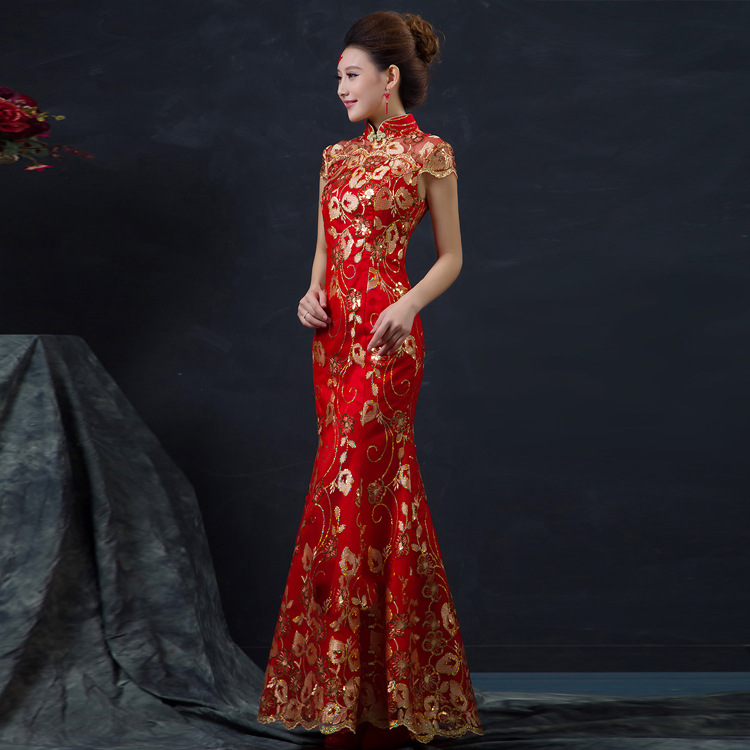
- Asian cultures red is a very important colour, symbolizing good luck, joy, prosperity, celebration, happiness, and a long life. Because it’s such an auspicious color, brides often wear red on their wedding day and red envelopes containing money are given out during holidays and special occasions.
- India: Fear and fire, wealth and power, purity, fertility, seduction, love, beauty, sensuality, and spirituality.. Red is also worn by newly married women in the form of Sindoor and henna so as to symbolize a newly entered sexual phase in life.

- Some African countries associate red with death, and in Nigeria it represents aggression and vitality.
- Egypt – Red colour means a lucky charm
- Iran- It symbolizes good fortune and courage
- South Africa – red is associated with mourning and the section of red in the country’s flag symbolizes violence and sacrifices that were made during the struggle for independence.

- Russia – red is associated with communism and revolution because in history, used a red flag when they overthrew the Tsar

ORANGE/KARAKA
Orange promotes a sense of general wellness and emotional energy that should be shared, such as compassion, passion, warmth and enthusiasm.
- Western – a delightful colour that symbolises autumn, harvest, warmth, fun and change. It also represents creativity and curiosity.
- Netherlands – the colour of the Dutch Royal family and is thus symbolic of a certain class and status.
- Colombia – represents sexuality and fertility.
- Japan and China – symbolizes love, happiness, humility, and good health.
- In Eastern cultures associated with meanings of joy, warmth, heat, sunshine, enthusiasm, creativity, success, encouragement and change, determination, health, stimulation, happiness, fun, enjoyment, balance, sexuality, freedom, expression, and fascination.
Stimulation, vibrant, flamboyant and demanding of attention. Orange is a very hot colour and often provides the sensation of heat. A common colour associated with summer and the hot sun, associated with being the main colour of harvest and autumn due to the changing colour of the leaves and pumpkins.

While orange does stimulate the appetite, it is a common colour found in citrus fruit and is often associated with Vitamin C and a healthy diet. Orange is a popular colour in restaurants to encourage the feeling of hunger and contentment. When combined with the colour green, the colours elicit feelings of adventure and tropical destinations

Too much orange causes self-centered and self-serving qualities, including pride, arrogance, and lack of care for others. Too little orange causes loss of motivation, lower self-esteem, and loneliness.
Dark orange may represent deceit and distrust, a golden orange often stands for prestige, wisdom, illumination, wealth, and quality. A light orange or peach color tend to be more friendly and soothing
BEIGE & IVORY/KIRĪMI & REI
Symbolise unification. Ivory symbolizes quiet and pleasantness. Beige symbolizes calm and simplicity.
A neutral, relaxing, and calming colour, has some of the same pureness and softness of white, but with a warmer tone. Ivory represents quiet and pleasantness. Ivory sets relaxed tone of understated elegance.
The Ivory wedding dress is an outcome from the symbolism of ivory being elegant and pure.
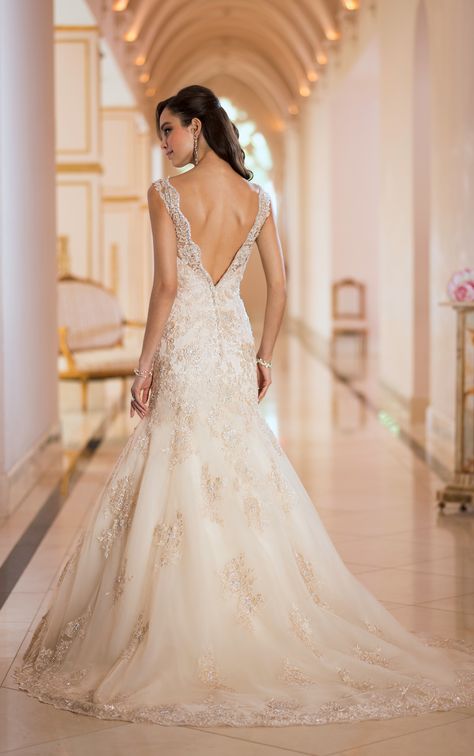
Beige is dependable, conservative, and flexible. The color beige is neutral, calm, and relaxing. The attributes and meanings associated with beige change based on the colours it accompanies.
Ivory is the traditional Fourteenth Wedding Anniversary gift and Pearl is the traditional Thirtieth Wedding Anniversary gift. Pearl and opal, which are shades of ivory, are considered precious stones. The ivory tusks of elephants carry a high value and worth in many cultures and have long been used in the creation of jewelry decoration of furniture and home décor.
- The term “ivory dome” refers to an intellectual, professor, instructor, or teacher.
- The phrase “ivory tower” is typically a place of refuge or seclusion from the world. Sometimes used to describe someone who is out of touch with reality.
YELLOW/KŌWHAI
Traditionally, yellow ribbons were worn as a sign of hope as women waited for their men to come home from war.
Calling someone “yellow” or “yellow-bellied” is the same as calling them a coward.
“mellow yellow” stands for laid and relaxation.
- Western – The Colour of sunshine! Associated with cheeriness, optimism, warmth, joy, and hope. However in contrast also represents caution, cowardice, dishonesty, jealousy, deceit, illness and hazard.
- India – the colour of the merchants.
- Germany – represents envy
- Egypt- happiness and good fortune.
- China – represents pornography. Described specifically as “yellow picture” or “yellow book.”
- Africa – Represents people of high rank due to its close resemblance to gold.
- Japan – yellow represents bravery, wealth, and refinement since the War of Dynasties in 1357. The warriors in fact wore yellow chrysanthemums to honour emperor in Japan and royal family.
Bright yellow is an attention getting color, and when used in combination with black, is creates one of the easiest colour combinations to read and see from long distances. This is why traffic signs are painted yellow and black.

If yellow is overused, it can have a disturbing effect. For example, it is a proven fact that babies cry more in rooms painted yellow. Too much yellow causes loss of focus and makes it hard to complete a task. Too much yellow also can cause people to become critical and demanding. Too little yellow causes feelings of isolation and fear, insecurity, and low self-esteem. A lack of yellow can cause one to become rigid, cunning, possessive, or defensive.
GREEN/KĀRĀRIKI
While green might stand for nature and ecology in most of the cultures, it has some varied connotations attached to it in different cultures.

- Western – green represents luck, nature, freshness, spring, environmental awareness, wealth. But it also represents inexperience, and jealousy.
- Ireland – he national colour and is associated with good luck, leprechauns, shamrocks, and Saint Patrick.
- Asia – New and eternal life, new beginnings, fertility, youth, health, and prosperity.
- In Muslim countries, green colour is symbolic of their religious identity.

- China – Green hats are taboo for men because it signals that their wives have committed adultery. This dates back to the Yuan dynasty when the relatives of prostitutes were forced to wear green hats.
- Indonesia – Green is traditionally been forbidden. Nyi Roro Kidul, the supernatural Queen of the Southern Sea who is always pictured wearing green, will drag you into the sea if wearing green..
- Mexico – it’s a national colour that stands for independence.
- Middle East – green represents fertility, luck, and wealth
The colour green has healing power and is understood to be the most restful and relaxing colour for the human eye to view. Green can help enhance vision, stability and endurance. Green takes up more space in the spectrum visible to the human eye and it is the dominant color in the natural.
Green stands for both a lack of experience and need for growth. Green also stands for new growth and rebirth, common in the spring season when all of the plants are coming back to life. E.g The expression “greener pastures” and “grass is greener” are used in reference to something newer or better.
The color green affects us physically and mentally in several different ways. Green is soothing, relaxing, and youthful. Green also brings with it a sense of hope, health, adventure, and renewal, as well as self-control, compassion, and harmony The green color is often used to indicate safety. Too much green can cause people to become placid, lazy, slow, moody, depressed, and lethargic. Too little green can cause feelings of apathy and fear of rejection..
Olive green and several green shades and tints used in camouflage gear have a strong military meaning.

BLUE/KIKORANGI
Blue represents both the sky and the sea, and is associated with open spaces, freedom, imagination, expansiveness, and sensitivity. Blue also represents meanings of depth, trust, loyalty, sincerity, wisdom, stability, faith, heaven, and intelligence.
The saying “out of the blue” is used in reference to something unexpected as it means something coming from a large empty space.

- North America -Symbolic of security, trust and authority, and is considered to be soothing and peaceful. But it can also represent depression, loneliness, and sadness (hence having “the blues”).
- Western – Blue is associated with melancholy and depression. However is also seen as royalty, The term “blueblood” refers to a person of royal, noble, or superior birth, power. This is where the corporate blue power suit of police officers and firefighter came from. Often associated with intelligence, stability, unity, and conservatism.

- China – Femininity
- Middle Eastern Countries – Safety and protection, and is symbolic of heaven, spirituality, and immortality.
- Latin America and Judaism- Hope and good health, and also comes to represent Virgin Mary, who is often depicted as wearing a blue robe and headscarf, and represents wealth. Similarly in Judaism, blue comes to stand for holiness and divinity.
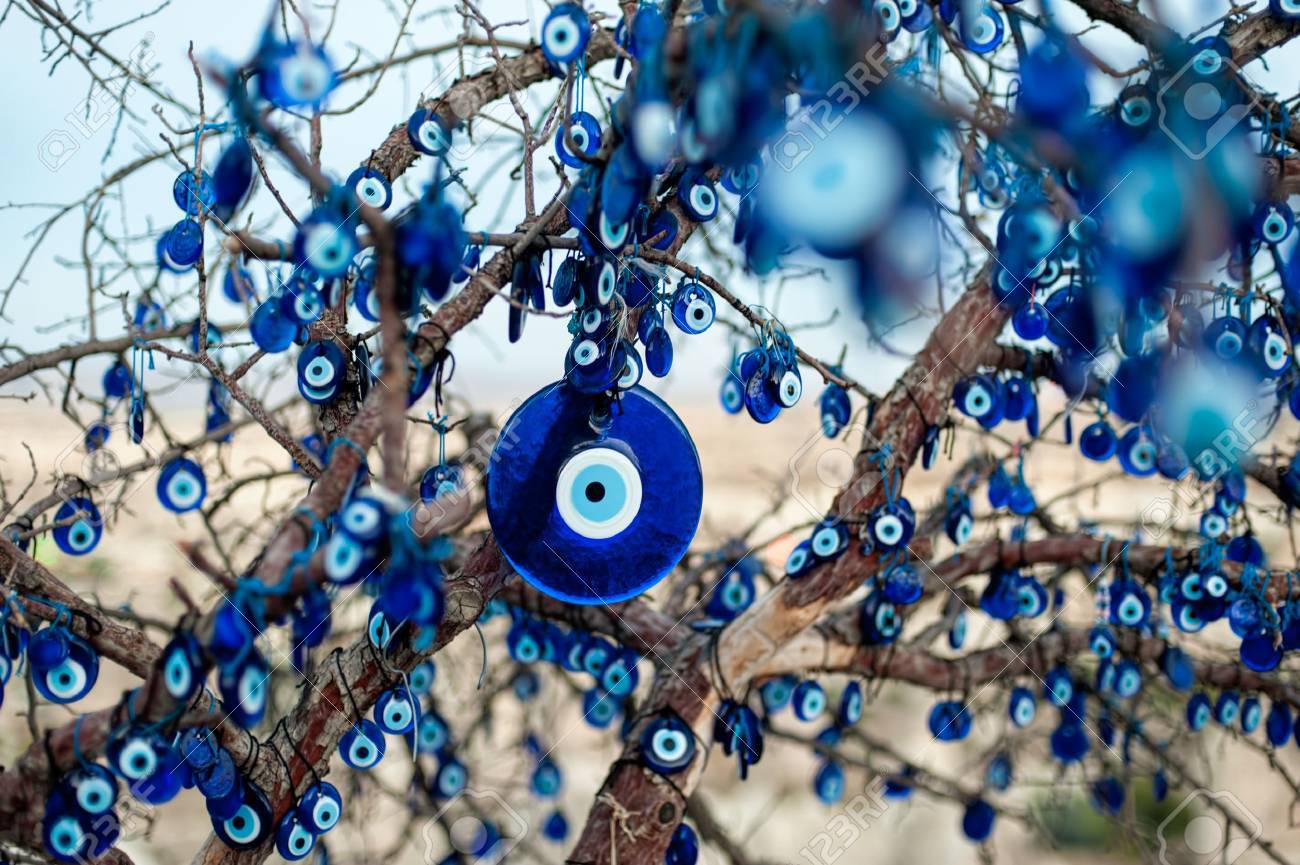
- Turkey, Greece, Iran, Afghanistan, and Albania -Healing and evil repellence. Blue eye-shaped amulets, believed to protect against the evil eye.
- Eastern – symbolizes immortality
- Ukraine – it denotes good health.
Too much blue can create feelings of melancholy, negativity, sadness, self-righteousness, and self-centeredness. Too little blue brings about qualities of suspicion, depression, stubbornness, timidity, and unreliability.
Dark blue can be seen as elegant, rich, sophisticated, intelligent, and old-fashioned, royal blue can represent superiority, and light blue can mean honesty and trustworthiness.
PURPLE/POROPORO
Purple is often associated with royalty, wealth, spirituality, luxury, power, creativity, wisdom, dignity, devotion, peace, pride, mystery, and independence, around the world.
The phrase “purple cow” refers to something remarkable, amazing, unique, stand-out, eye-catching, or unusual.
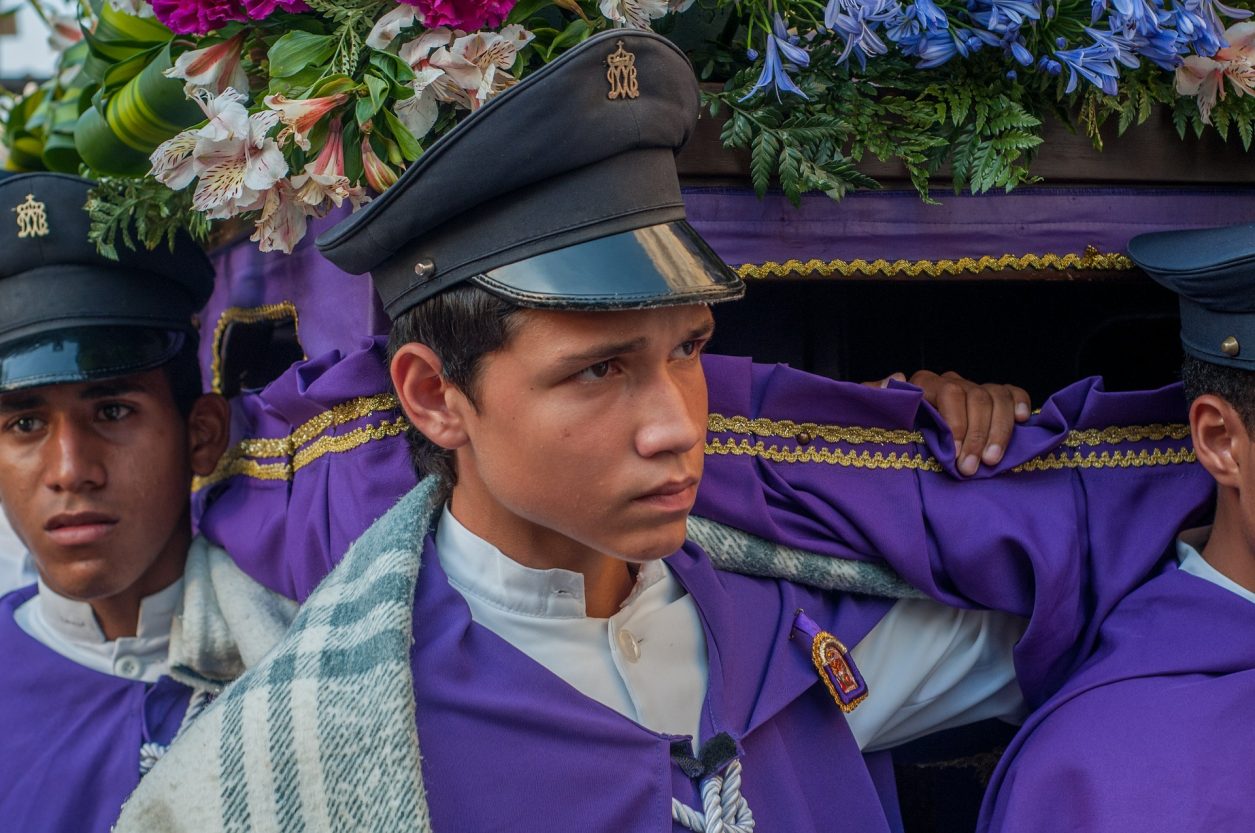
- Japan – Only the highest ranked Buddhist monks wore purple robes. Purple is also associated with piety and faith,
- Brazil – Symbolic of mourning. In Brazilian culture it is considered as inappropriate to wear purple if not attending a funeral.
- Thailand – Represents mourning.
- Northern America – A colour of honor, the Purple Heart is the oldest military award still given to US military members.
- England/France – Royalty. The Royal people are always imagined and portrayed as wearing the purple robes. Purple dye was rare and expensive because it was extracted from sea snails. And since it was expensive, it was worn only by kings, queens and other representatives of monarchy.

Lavender is a feminine, graceful, elegant colour that has long been associated with refined, wealthy women. While the color purple represents royalty, lavender represents beauty and femininity. Lavender is considered to be the “grown-up” pink. Its lighter lavender shades have a sacred place in nature, with lavender, orchid, lilac, and violet flowers considered delicate and precious. The colour lavender suggests uniqueness and specialness without the deep mystery of the colour purple.
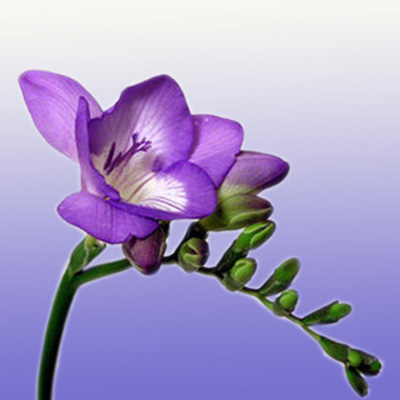
The colour purple has a variety of effects on the mind and body, including uplifting spirits, calming the mind and nerves, enhancing the sacred, creating feelings of spirituality, increasing nurturing tendencies and sensitivity, and encouraging imagination and creativity.
Too much purple brings out qualities of irritability, impatience, and arrogance. Too little purple brings out feelings of powerlessness, negativity, and apathy.
PINK/MĀWHERO
A delicate colour that means sweet, nice, playful, cute, romantic, charming, feminine, and tenderness.
Large amounts of the color pink can actually create physical weakness.
- Western -Femininity, love, romance, caring, tenderness, and the birth of a baby girl. Pink represents friendship, affection, harmony, inner peace, and approachability.
- Japan – Pink stands for men rather than women.
- Korea – Symbolizes trust
- China – It is considered as a “foreign colour”.
Pink represents romance and charm. Hot pink is used to communicate playfulness, while light pink is used to communicate tenderness.
BROWN/PARAUI
The brown colour says stability, reliability, dependability, and approachability.
It is the colour of our soil, growth, fertility, and earth, and it is associated the concepts of “all natural”,”health” and “organic.” Brown is the colour of the Earth and makes you feel comfort, nurturing symbolising, home, comfort. endurance, simplicity. wholesomeness, security, healing, grounding, foundations, warmth, and honesty.

- Western culture – Earthy but can be associated with either health or barrenness. Brown is stable, dependable and wholesome, as association which comes from the colour of grains.
- Eastern and Asian cultures including Papua New Guinea – Association of mourning.

- China – horoscopes, brown is used to represent earth
- Latin America -Brown actually discourages sales in Colombia and is considered disapproving in Nicaragua.
- Middle East – Brown is harmonious with earth and comfort.
Warm color that stimulates the appetite. While it is sometimes considered dull.
WHITE/MĀ
- Western – Symbolic of purity, elegance, reverence, simplicity, cleanliness, peace, humility, precision, innocence; brides traditionally wear white dresses at their weddings.
- Asia – represents death and mourning, cold, clinical and bad luck, and is traditionally worn at funerals. The term “white elephant” refers to a rare or valuable item that is unwanted.

- Peru – Associated with angels, good health, spirituality, possibility, humility, sincerity, protection, softness, and perfection.
Some countries associate white as the colour of royalty or of religious figures, and others have white symbolizing safety. The phrase “white flag” is associated with meanings of surrender and relinquishment.
When something is seen as opposite, extreme, or a firm position, it is said to be “black or white.”
GREY/KIWIKIWI
Security, wise, reliability, intelligence, staid, modesty, dignity, maturity, solid, conservative, practical, old age, sadness, boring. Silver symbolizes calm.The color gray is an emotionless, moody color that is typically associated with meanings of dull, dirty, and dingy, as well as formal, conservative, and sophisticated.


When something is not clear or not in a firm position, it is said to be a “grey area.”
A timeless and practical colour that is often associated with loss or depression. Dark, charcoal grey communicates some of the strength and mystery of black. It is a sophisticated colour that lack the negativity of the colour black. Light greys can carry some of the attributes of the colour white.
The grey colour affects the mind and body by causing unsettling feelings. Light grays are feminine in nature, while dark grays are masculine in nature.
- The phrase “grey matter” refers to smarts, intelligence, brains, and intellect.
- The saying “grey power” is used in reference to the power of the elderly or senior citizens.
BLACK/PANGO
Black represents Te Korekore the realm of Potential Being. The long darkness from whence the world emerged
- Western – The colour black can be serious, professional, and conventional, In heraldry, black is the symbol of grief and mourning, death, sadness and mystery. The term “black-hearted” describes an evil person. Black often represents the emotions and actions of rebellion in teenagers and youth. A “black sheep” is an outcast from a family or from society, This is due to the colour black being associate with dirtiness and being unclean.
:max_bytes(150000):strip_icc()/darth_vader_star_wars-1221fc2f059b4bb89960791b70ffafa6.jpg)
- Middle East -Symbolic of both rebirth as well as mourning.
- Africa – Symbolizes age, maturity, masculinity, sexy, sophistication, formality, elegance and wealth. The phrase “in the black” refers to having money or profiting and doing well in business.
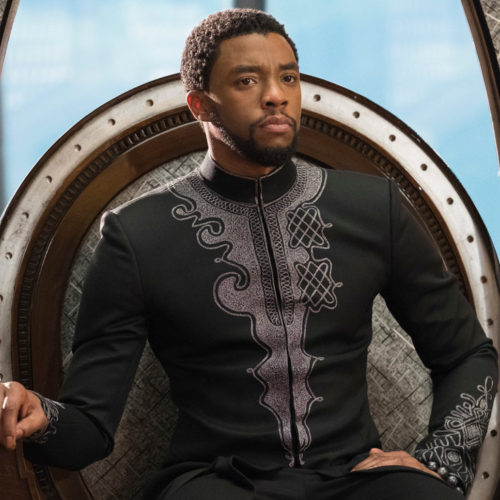
Black is a visually slimming color for clothing and like other dark colors, in interior design, black can make a room appear to shrink in size.
The color black affects the mind and body by helping to create an inconspicuous feeling, boosting confidence in appearance, increasing the sense of potential and possibility, or producing feelings of emptiness, gloom, or sadness.
St James theatre, the site.


PROPOSED COLOUR SCHEME

Artist Model – Linda Bergroth
Zero Waste Bistro installation provides circular-economy model at WantedDesign
Made entirely from up-cycled and recyclable materials, the temporary pavilion occupied an elongated gallery space which, together with its striking materiality, made for an immersive spatial experience likened by the designer to a ‘three-dimensional expression of white noise’. The architecture of the space – floor, walls and ceiling – were formed by panels made out of recycled industrial Tetra Pak waste. The acoustically-sound material was produced in the United States, in order to avoid unnecessary transport costs. The design also highlights the use of long-lasting Finnish design classics – such as Alvar Aalto’s stools – as a sustainable choice.


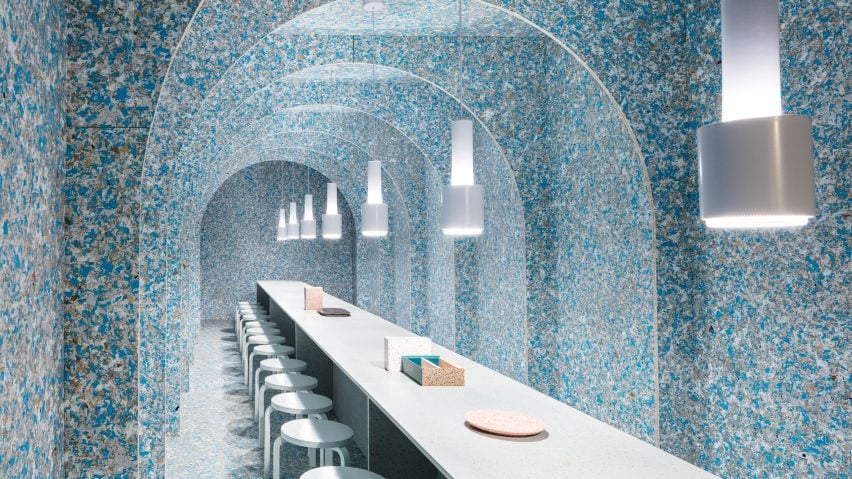


Models inspired by Linda Bergroth’s installation.
Draft One of St James Theatre design change

Switching the direction of the stairway to face the east entrance of

Archway with skylight combination


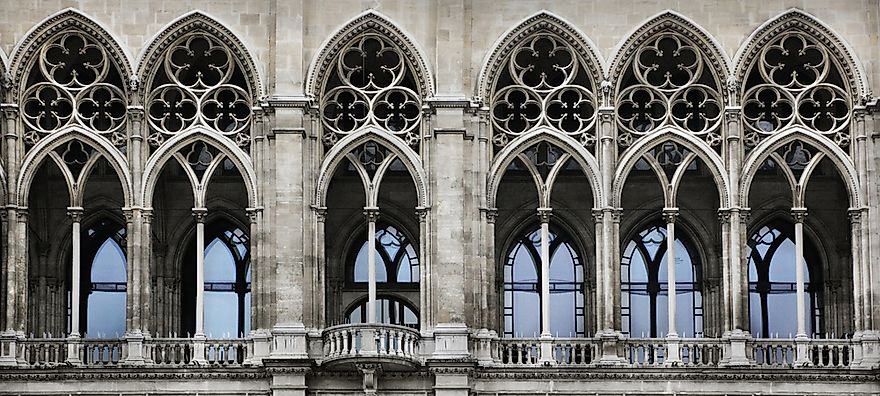

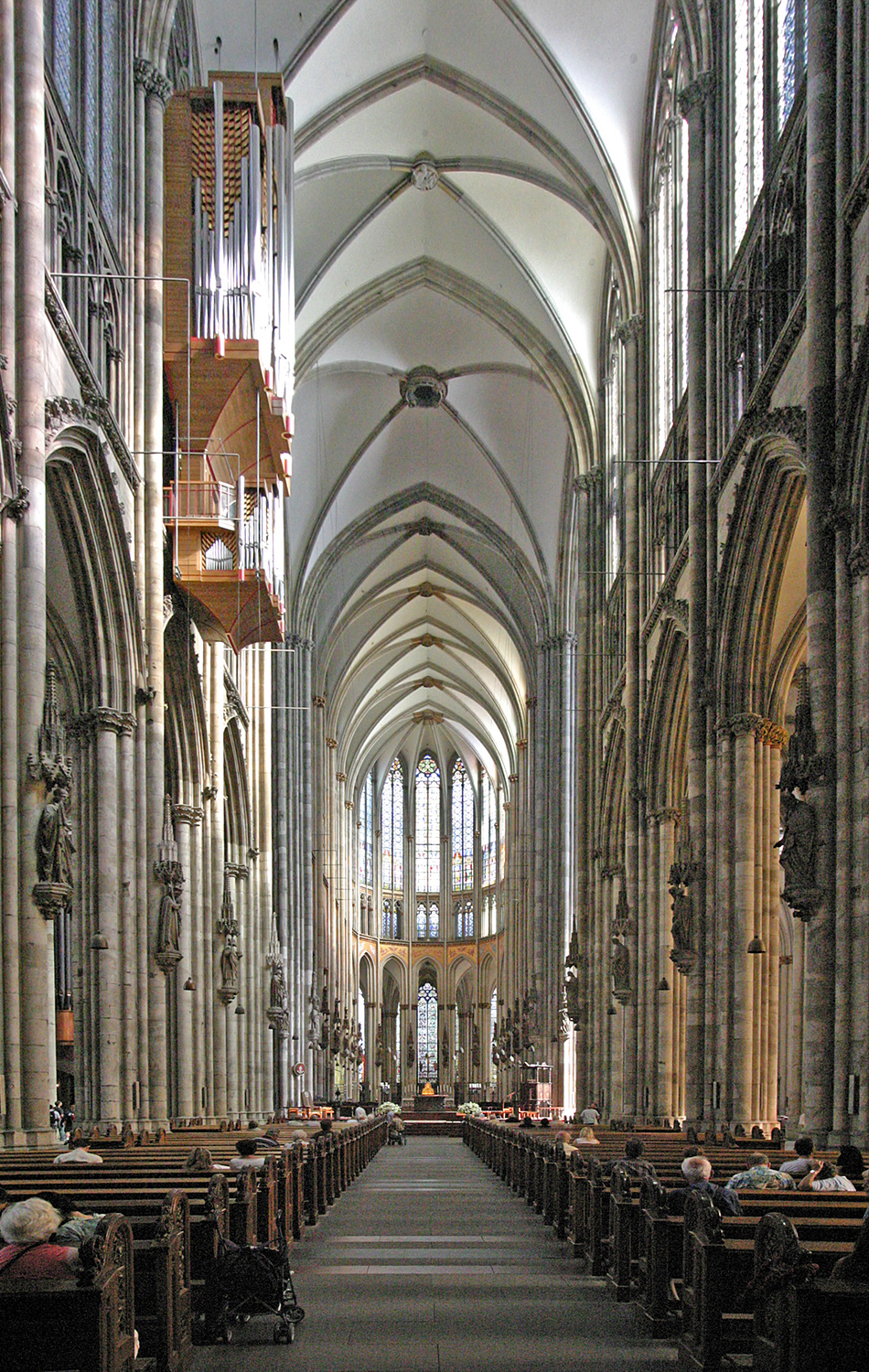


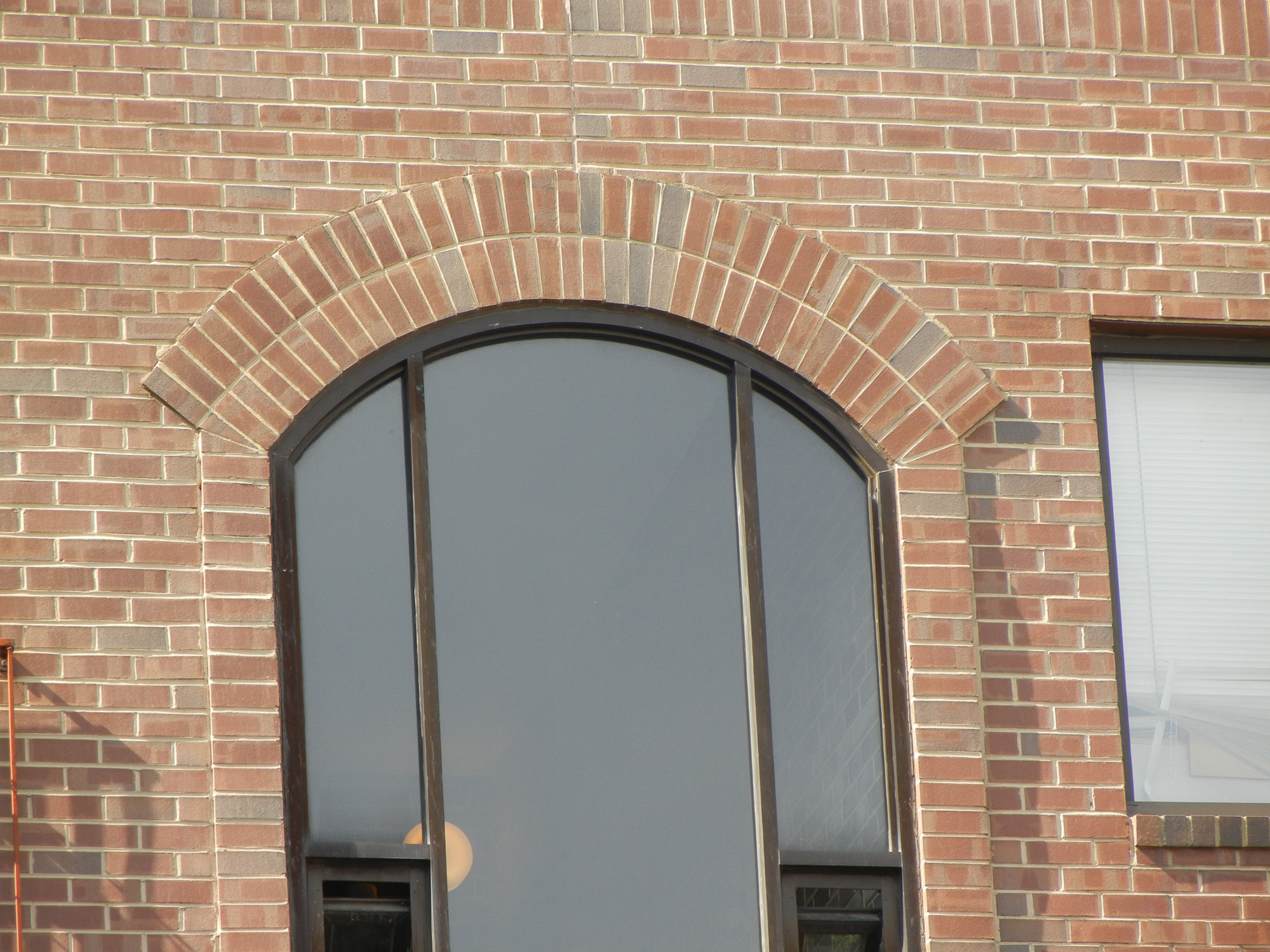


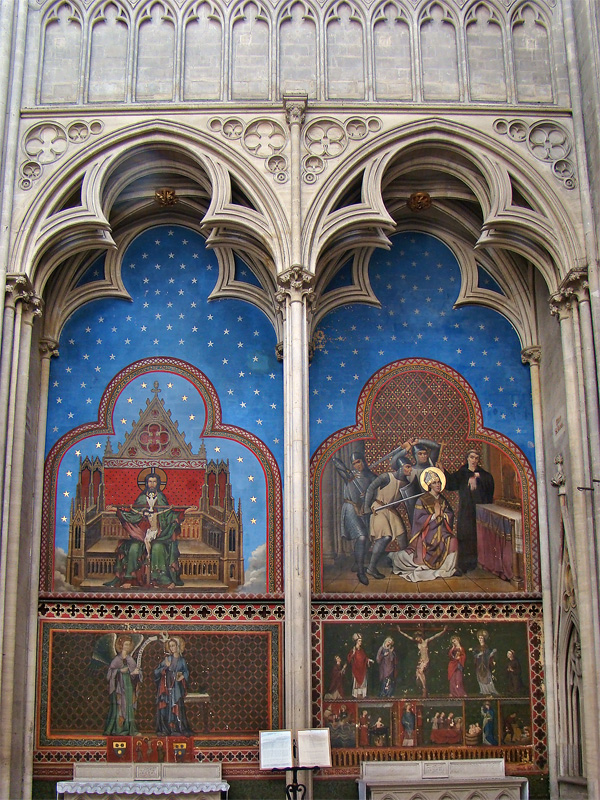


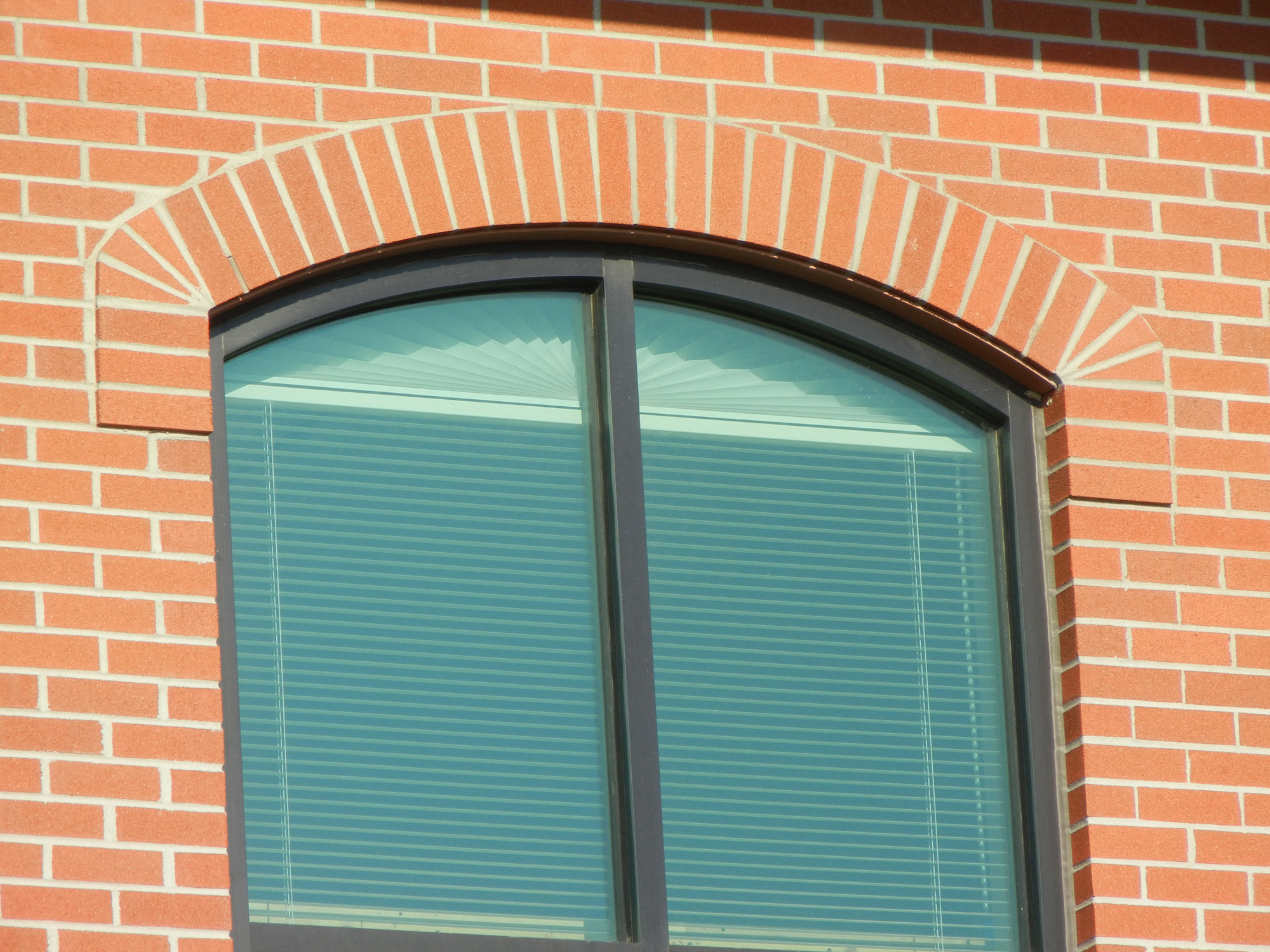


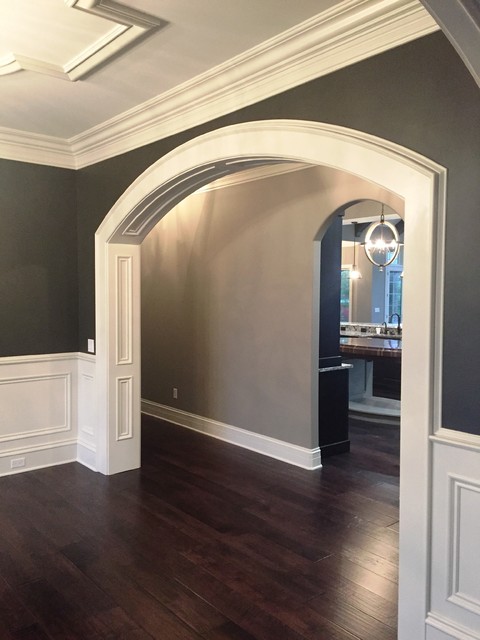


An arch is a vertical curved structure that spans an elevated space and may or may not support the weight above it, or in case of a horizontal arch like an arch dam, the hydrostatic pressure against it.
Arches may be synonymous with vaults, but a vault may be distinguished as a continuous arch forming a roof. Arches appeared as early as the 2nd millennium BC in Mesopotamian brick architecture, and their systematic use started with the ancient Romans, who were the first to apply the technique to a wide range of structures.
Bronze Age: ancient Near East
True arches, as opposed to corbel arches, were known by a number of civilisations in the ancient Near East including the Levant, but their use was infrequent and mostly confined to underground structures, such as drains where the problem of lateral thrust is greatly diminished. An example of the latter would be the Nippur arch, built before 3800 BC, and dated by H. V. Hilprecht (1859–1925) to even before 4000 BC. Rare exceptions are an arched mud-brick home doorway dated to circa 2000 BC from Tell Taya in Iraq and two Bronze Age arched Canaanite city gates, one at Ashkelon (dated to c. 1850 BC), and one at Tel Dan (dated to c. 1750 BC), both in modern-day Israel.
Classical Persia and Greece
In ancient Persia, the Achaemenid Empire (550 BC–330 BC) built small barrel vaults (essentially a series of arches built together to form a hall) known as iwan, which became massive, monumental structures during the later Parthian Empire (247 BC–AD 224).This architectural tradition was continued by the Sasanian Empire (224–651), which built the Taq Kasra at Ctesiphon in the 6th century AD, the largest free-standing vault until modern times
An early European example of a voussoir arch appears in the 4th century BC Greek Rhodes Footbridge.
Ancient Rome

The ancient Romans learned the arch from the Etruscans, refined it and were the first builders in Europe to tap its full potential for above ground buildings
The Romans were the first builders in Europe, perhaps the first in the world, to fully appreciate the advantages of the arch, the vault and the dome
Throughout the Roman empire, their engineers erected arch structures such as bridges, aqueducts, and gates. They also introduced the triumphal arch as a military monument. Vaults began to be used for roofing large interior spaces such as halls and temples, a function that was also assumed by domed structures from the 1st century BC onwards. Arch of Caracalla at Theveste
The segmental arch was first built by the Romans who realised that an arch in a bridge did not have to be a semicircle, such as in Alconétar Bridge or Ponte San Lorenzo. They were also routinely used in house construction, as in Ostia Antica (see picture).
Ancient China
In ancient China, most architecture was wooden, including the few known arch bridges from literature and one artistic depiction in stone-carved relief. Therefore, the only surviving examples of architecture from the Han Dynasty (202 BC – 220 AD) are rammed earth defensive walls and towers, ceramic roof tiles from no longer existent wooden buildings stone gate towers, and underground brick tombs that, although featuring vaults, domes, and archways, were built with the support of the earth and were not free-standing.
Roman and Chinese bridges in comparison
China’s oldest surviving stone arch bridge is the Anji Bridge, built between 595 and 605 during the Sui Dynasty; it is the oldest open-spandrel segmental arch bridge in stone.
However, the ancient Romans had virtually all of these components beforehand; for example, Trajan’s Bridge had open spandrels built in wood on stone pillars.
Gothic Europe
The first example of an early Gothic arch in Europe is in Sicily in the Greek fortifications of Gela. The semicircular arch was followed in Europe by the pointed Gothic arch or ogive, whose centreline more closely follows the forces of compression and which is therefore stronger. The semicircular arch can be flattened to make an elliptical arch, as in the Ponte Santa Trinita. Parabolic arches were introduced in construction by the Spanish architect Antoni Gaudí, who admired the structural system of the Gothic style, but for the buttresses, which he termed “architectural crutches”. The first examples of the pointed arch in the European architecture are in Sicily and date back to the Arab-Norman period.
Horseshoe arch: Aksum and Syria
The horseshoe arch is based on the semicircular arch, but its lower ends are extended further round the circle until they start to converge. The first known built horseshoe arches are from the Kingdom of Aksum in modern-day Ethiopia and Eritrea, dating from ca. 3rd–4th century. This is around the same time as the earliest contemporary examples in Roman Syria, suggesting either an Aksumite or Syrian origin for the type.
India
In India, Bhitargaon temple (450 AD) and Mahabodhi temple (7th century AD) built in by Gupta Dynasty are the earliest surviving examples of the use of voussoir arch vault system in India. The earlier uses semicircular arch, while the later contains examples of both gothic style pointed arch and semicircular arches. Although introduced in the 5th century, arches didn’t gain prominence in the Indian architecture until 12th century after Islamic conquest. The Gupta era arch vault system was later used extensively in Burmese Buddhist temples in Pyu and Bagan in 11th and 12th centuries.
Corbel arch: pre-Columbian Mexico
This article does not deal with a different architectural element, the corbel arch. However, it is worthwhile mentioning that corbel arches were found in other parts of ancient Asia, Africa, Europe and the Americas. In 2010, a robot discovered a long arch-roofed passageway underneath the Pyramid of Quetzalcoatl, which stands in the ancient city of Teotihuacan north of Mexico City, dated to around 200 AD.
Week 5 – 28th April
Surface – Matai Stairs

Surface Observations:
Soft grain pattens and knots produce a natural feeling and produces unique character. Knots are visible imperfections in wood grain that are circular and darker than the surrounding area. The knot will resemble a circle of abnormal wood that was once the base connection of a branch to the tree trunk but has been grown around by the rest of the grain.
Scratches and wear, I love the way which the surface records history, who has travelled where in and in which way by what type of marks they leave on the timber. Light scratches, dark dents, paint transfers.
The light reflections, the way which the light reflects upon the surface reveals information about the data of the surface, what date and time was the surface photographed. What finish does the surface have, matte, gloss or natural. The surface has a Gloss Coating , therefore there were no groves and therefore has less weathering.
The colour of the surface can change depending on the light quality, is it a cloudy day? A bright sunny day? Are there cool or warm toned light bulbs? Is it night? or the morning?
Hard timber, the soft shapes and curves of the grain balance the solid qualities of the native wood. The warm tones of the wood create a feeling of comfort and lighten up a space.

Matai or Prumnopitys taxifolia
Matai is slow growing, durable, and high in extractives, which make it useful for exterior applications, but difficult to coat and stain. It can, however be highly polished to a sheen gloss.
Matai heartwood is golden yellow when freshly cut, darkening to a deep red-brown on exposure to sunlight. The sapwood is white. The timber is similar to rimu at first glance, but has slightly more distinct growth rings, and no intermediate wood zone.
Matai has a density of 610kg/m3, and is hard wearing. It exhibits fairly low shrinkage, from green to 12% moisture content is will shrink 3.5 % tangentially, and 1.9 % in the radial direction. The high dimensional stability and hardness make it excellent as a floor.
The properties of hardness, wearing ability and dimensional stability make it very attractive for high-end uses
Matai, hard, reddish-brown wood, milling was popular in the 1950s where it was used for flooring timber and window sills. It has been used for public halls, dance floors, theatres and skating rinks until relatively recently.
Maori have also traditionally used the timber for carving, the berries for food, and used the gum as a lashing sealant and binder for attaching spear points to handles
Surface collaboration drawing


Together we discussed how to put together a collage, and which elements to include.
The two additional block colours are carefully selected and chosen from inside of the four surface photographs (Blue in the window and oranges from the timber), complimenting the surfaces and one another as blue and orange are complimentary colours (opposite on the colour wheel.) Shaping of the collage was inspired by both the random pattern of the hazed glass panel and the geometry of the curtain pannels and wood planks. The diagonal of the shapes represent the way which light rays reflects onto the surfaces.


Discussing our choices of elements and material choice in our surface designs.
04/05/20 – Week 6
All new 6 surfaces in natural light

First Surface inspired design

White LED 
Red LED 
Pink LED 
Green LED 
Blue LED
Second face inspired design

Orange LED 
Natural light 
Yellow LED 
Green LED 
Pink LED
Third Surface inspired design

Strong Green LED 
Blue LED 
Pale Green LED 
White LED rightside 
Natural light 
White LED leftside
First Design based off Linda Bergroth design

Pink LED 
Natural Light 
Blue LED 
White LED – Projected colour
Second Design based off Linda Bergroth design

White LED – left side 
White LED – Rightside 
Natural light with White LED 
Warm toned LED 
Red LED 
Natural Light 
Green LED 
Yellow LED 
Blue LED
Third Design based off Linda Bergroth design

Red LED 
Blue LED 
Restricted Natural Light 
White LED 
Natural Light 
Orange LED
3D Design of St James theatre entrance

Group gathered together to discuss our surface designs.


Surface design.
Earth grain and ripples – my surface design is inspired by the natural pattern of the earth.


Art Deco – Inspiration, interior design genre.
Art Deco first appeared in France just before World War I. It took its name, short for Arts Décoratifs, from the Exposition internationale des arts décoratifs et industriels modernesheld in Paris in 1925. It combined modern styles with fine craftsmanship and rich materials.


The Characteristics of Art Deco
What makes Art Deco capture the imagination with such ease is its broadness. It’s essentially not just a single style, but a mosaic of various and even contradictory styles joining forces to create something that was then very new and exciting.
Its major characteristics include:
- Heavy geometric influences
- Triangular shapes
- Zigzags
- Trapezoidal shapes
- Straight and smooth lines
- Loud, vibrant, and even kitschy colors
- Streamlined and sleek forms
- Sunburst or sunrise motifs
- Exaggerated curves
- Hard edges
- Low reliefs
- Stepped forms
- Chevron (inverted, V-shaped mark) arrangements
- Ziggurat patterns
- Stylized, floral patterns
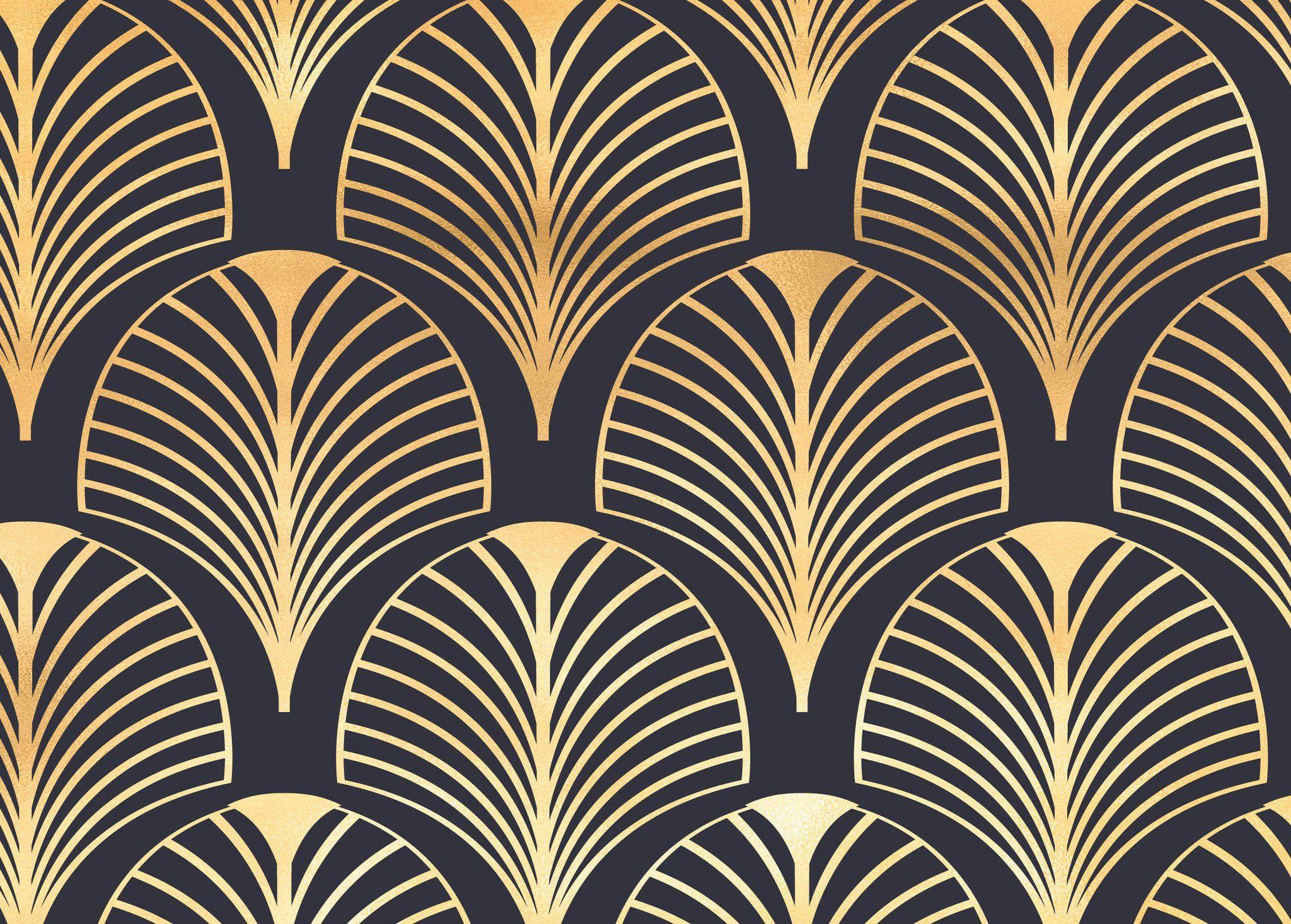
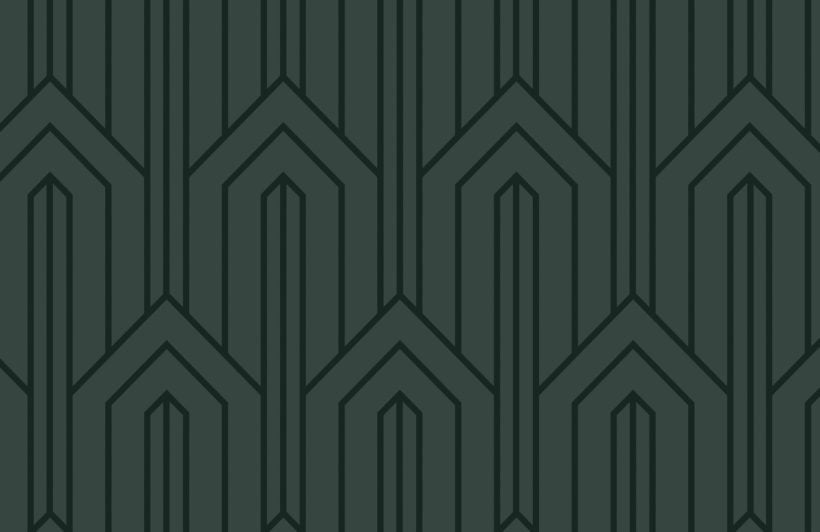


First Surface Draft:

Playing with rippling water in art deco 
playing with knots in curves


Inside the diamonds the pattern reflects the ripple in water and the grain in wood.


Bathrooms


Bathroom plans

Render of gallery hall.

Womens bathroom render

Door Knob
The invention of a doorknob was by an American inventor Osbourn Dorsey in the year 1878.
A door knob is a mechanism used to open or close a door. The traditional door knob has a bolt or spindle running through it that sits just above a cylinder, to which the spindle is connected. Turning the knob pulls the cylinder in the direction of the turn. If the door handles have a square or rectangular plate on which the handle is mounted this is called the back-plate. The plate on the front edge of the lock where the latch bolt protrudes is called the face-plate.
Door knobs can be and have been made out of a wide variety of materials. Just a few examples include brass, white porcelain, brown mineral, cut glass, wood, and Victorian bronze.
Inspirations:


Door Knob Location:


Door Knob/ handle element sketches.


Chosen intervention.- Aquarium


The Pitch: A 1920 theatre designed to resonate the original era. The arched hall way is an element of the exterior which I brought inside, a timeless quality. My chosen colour pallete of Navy, Gold/brass, Burgundy, aero blue and turquoise which I chose based on the surrounding environment and the original design, reminded me of the interior design genre of Art Deco. The recurring ripple pattern of nature, I have brought into the surface design with the paralleling shape element. I have reinforced the 1920 theatre design elements, making the grande stair way the focus by adding a balcony looking over the foyer. As I reinforced the use of the theatre my large priority was accommodating bathrooms which hosted the large number of people. Adding an elevator for those who are unable to use staircases. To provide a food and beverage. With the walkway, I wanted to draw people in to desire to visit the space, post aesthetic pictures and to escape from the noise of the city and feel as if they are transferred into another dimension, a simplistic aquarium alot to observe. A gateway between the city and the theatre.


 Zaraspaces
