Cutting ‘perspective’ skylights and doors out of the architectural form. The cuts should flow with the form with it, forming new perspectives and creating a new frame into the outside world.. opening a new view style, creating unique perspectives.

Reshaping of the garden doorway to be less structured and therefore may emphasise the narrative due to the natural form. Creating natural shapes with LOFT. The process to create the perfect shape required reworking within Rhino 7. Constant movement and reworking of curves to form an ideal threshold moment.


Rock Garden Design.
Left – contour and variance in level, allowing for natural outdoor seating without furniture. Rock garden represents the deeper shells and stones below the surface which pipis are buried. Represent both the source of water and nourishment. The hidden narrative (under the surface of sand,)the land was used to nourish it’s people by using Kai Moana to feed the people just as the water feeds the pipi. Hiding shells within the rock garden allows people to practise the ‘farming action,’ as done historically for pipis. Searching or accidentally discovering a hidden gem can also be a psychologically soothing action especially for those communities who have experienced trauma.


Colour Exploration:
Exploring the colour tone of the architecture. Playing around with colour temperature. A neutral tone – combination of sandlike tones (ivory) and a cool tone (sea toned) would best explore the narrative of the original shoreline.

Material Exploration:
Materiality has to be modern, express the narrative, captivating and represent the ‘Pipi.’ The pipi is a subtle white colour tone – smooth texture yet has unique engravings which bring attention to the architecture. The interior is the same texture and colour as the interior – one form, undoing the separation of the exterior walls from interior walls as the building becomes traditional rather than shell-like.


To gather:
Shell are unique to each-other. Collectable, all shapes, wear, colours and sizes. The uses for shells are unlimited. The lives inside – edible, Gifting as a sign of thanks. Precious jewelry, decorating with earths nature. A sign of life, a sign of community, a sign of joy, happiness, summer. Shells are awe-provoking. Beauty in each. A shell to find in your pocket can trigger memories, bring happy emotions.
Song Lyrics:
I’m leaving home for the coastline
Some place under the sun
I feel my heart for the first time..
..There’s a place that I’ve dreamed of
Where I can free my mind
I hear the sounds of the season
And lose all sense of time
Māori midden
Middens can be found almost anywhere in New
Zealand and are usually observed as layers or
lenses of shell and bone intermixed with
charcoal, ashes, and burnt stone eroding from
sand dunes, river banks and road cuttings.
Shell middens are the most common type of archaeological site, they account for approximately 70% of the recorded Maori archaeological sites. Middens are an archive of ancient coastal lifeways and environments. A hidden narrative of Tangata Whenua, surfaces just as the shells in the midden.
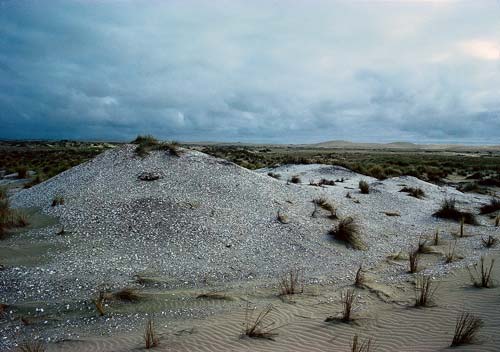
After migratory canoes arrived from Polynesia, Māori settled throughout the area, as its warm climate ensured abundant food sources. There are still traces of early occupation, including some major pā sites. Middens (rubbish dumps containing layers of shell and bone mixed with charcoal, ash and burnt stone) reveal what these first people ate, collected and threw away in the course of their everyday life.

Kai moana
Meaning ‘food from the sea’, provides physical, cultural, and spiritual sustenance.
Seafood is any form of sea life regarded as food by humans, prominently including fish and shellfish.
- Pāua – abalone
- Ika -fish
- Kōura – crayfish
- Kina – sea egg
- Karengo – seaweed
- Wheke – octopus
- Kahitua – beach
- Pipi Tuangi – cockle
Kai is a very important part of culture because gathering, preparing and sharing kai shows hospitality and respect for visitors. Food and the culture and customs around it create a sense of community.
https://www.rocktheboat.co.nz/cruise-log/bay-of-islands-locals/activities-collecting-kai-moana
The sense of sharing and hospitality is significant. The blessing and honouring of those who are considered visitors.
Stool designs:
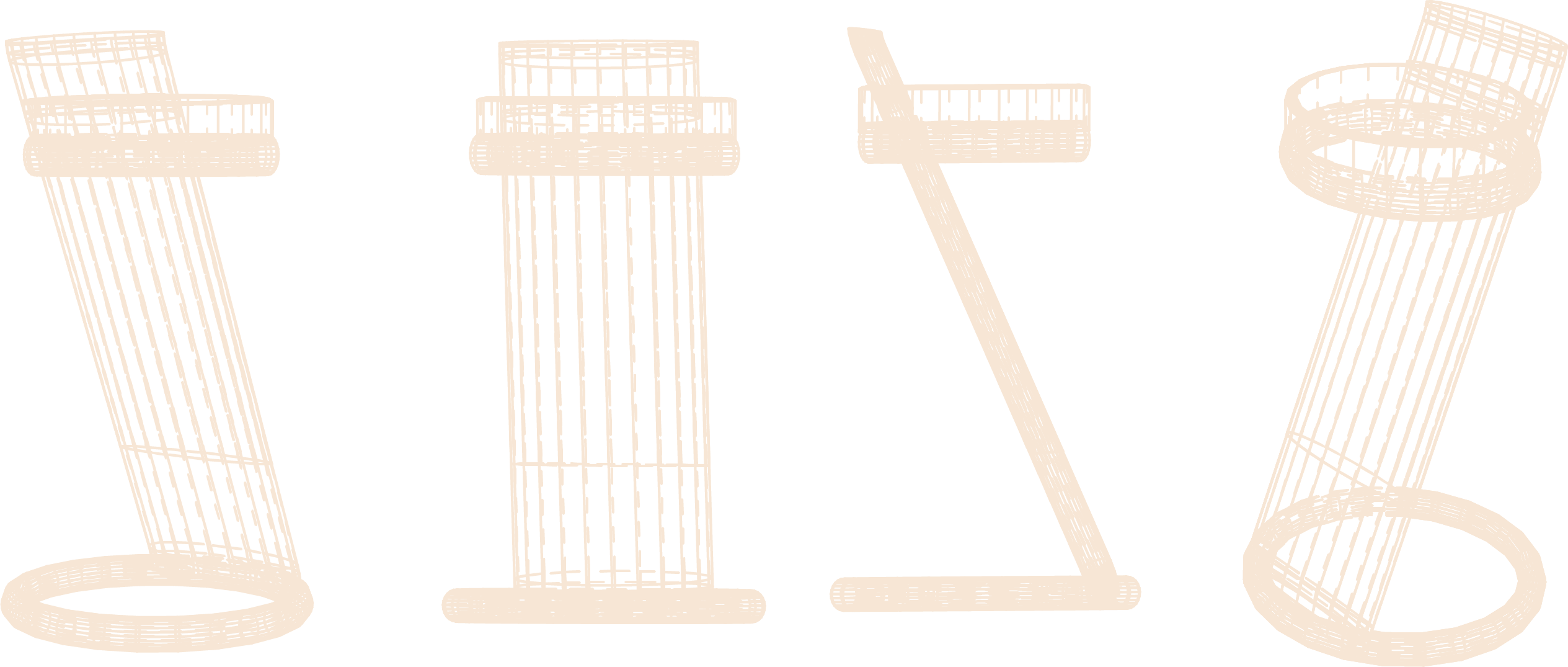
The symbol the intersect between the structured reclaimed street gridsystem and the natural curvature of the natural shoreline of Commercial bay of the Waitemata harbour. This intersection not only represents a change in biology, but a change in the intention of the land – from a community space – to a selfish money making, trading space. The symbol of a change in life style of Auckland. Not only was the honour of the lands form ignored, the signifcance of the land itself was ignored. This stool is a reminder of the historical narrative, a push against the ignored perspective (frame,) opening up a different perspective of the storyline which unfolded.
Drafts:

Final design drawings:
Material applied renders, framing and perspective.
Rough framing plan for perspective:

Application of materials on rooftop garden, greenery, dirt, glass, tile and rock textures and materials are added.

Rendering of materials and light from Fort lane view of ‘Whakakotahi.’ Framing is thought out considerably. Perspective is from human eye viewpoint.

Street view perspective:


Door point perspective:


Interior perspective – bathrooms:


 Zaraspaces