Site Analysis


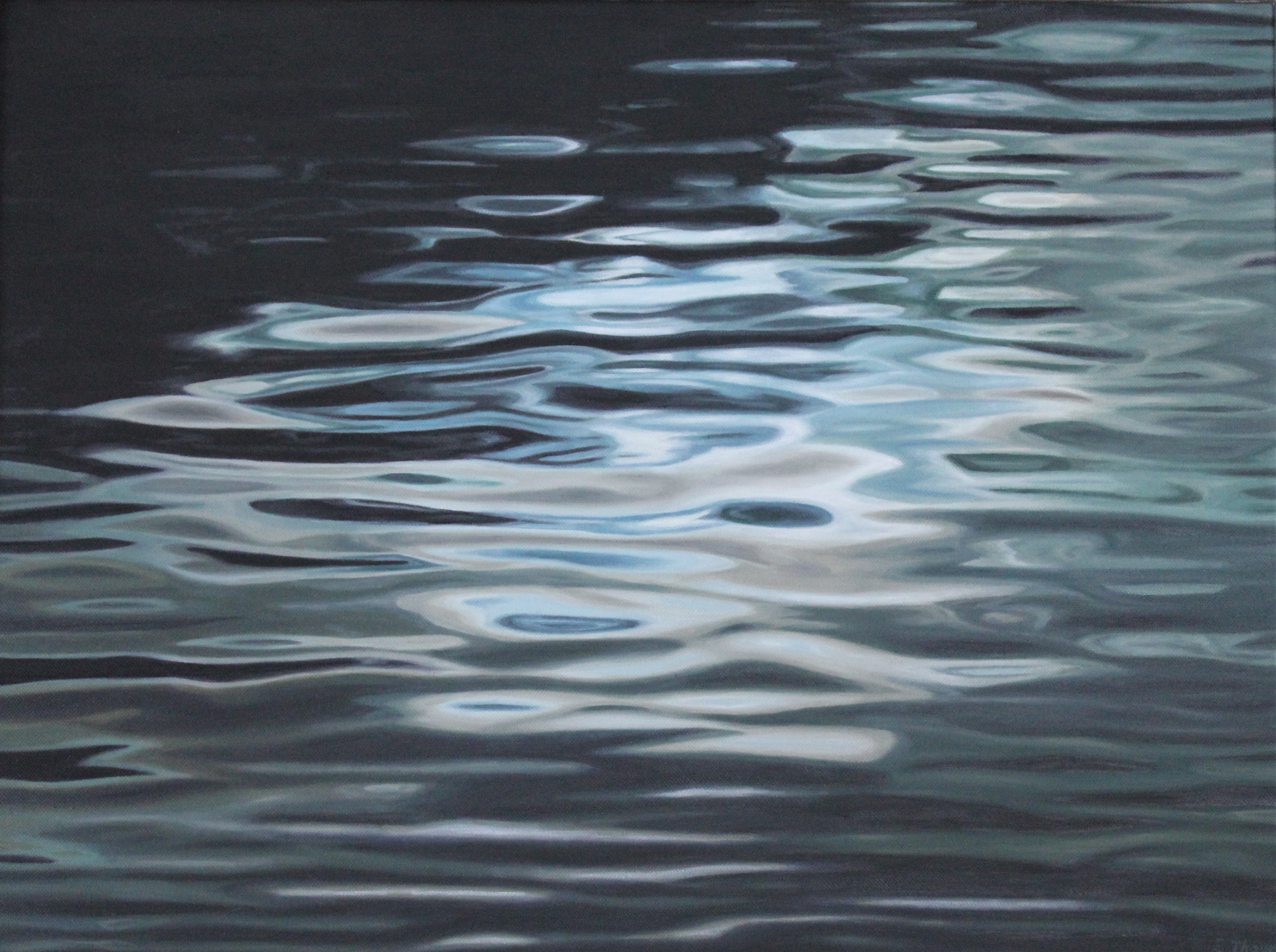
Site connection to celebration – Looking up. Night. Melanonic Longest day. Pattern.
Twinkling in the winter sky just before dawn, Matariki (the Pleiades) signals the Māori New Year. Traditionally, it was a time for remembering the dead, and celebrating new life. In the 21st century, observing Matariki has become popular again. Heaven-bound kites, hot-air balloons and fireworks help mark the occasion.
They followed the stars on the water. Matariki literally means the ‘eyes of god’ (mata ariki) or ‘little eyes’ (mata riki). According to myth, when Ranginui, the sky father, and Papatūānuku, the earth mother, were separated by their children, the god of the winds, Tāwhirimātea, became so angry that he tore out his eyes and threw them into the heavens. Traditionally, Matariki was a time to remember those who had died in the last year. But it was also a happy event – crops had been harvested and seafood and birds had been collected. With plenty of food in the storehouses, Matariki was a time for singing, dancing and feasting. – Sourced from: https://teara.govt.nz/en/matariki-maori-new-year
The Separation of Earth and Sky
Most cultures speak of an event or act that brought about the world as we know it.
The Māori creation story begins with nothingness. ( Te Kore).
It is a long dark night. (Te Pō)
From here two of our Māori gods Ranginui, the sky father, and Papatūānuku, the earth mother, emerge. Initially, earth and sky are joined together, and their children are born between them.
For a long time, the children exist in a dark cramped uncomfortable space. They talk of the “potential”, the spec of light seen beyond.
What could be beyond?
But some of the children plot to separate their parents, and this allows light to flow into the world. The separation of the parents by the children resulted in the movement from darkness to the world of light. (Te Ao- Mārama).
The Māori Gods and the Māori Creation Story
The sons held a long debate exploring how they would get out of the dark cramped space they lived in. How might they see the world beyond the confines of their parents’ embrace? Tūmatauenga said, “Let’s kill our parents”. On the other hand, Tāwhirimātea said, “Leave them be” This would simply maintain the status quo. Then, another brother said, “Let’s separate our parents”. This was a viable option. Tāwhirimātea strongly disagreed. Rongomātane and Haumietiketike did not add anything more to the discussion. Consequently, Tāne, Tangaroa and Tūmatauenga worked things out. The brothers made a decision and tried to separate their mātua. Finally, it was Tāne who lay on his back with his legs facing up. With total focus and strength, he pushed and pushed. Ranginui and Papatūānuku didn’t want to be separated from each other or their tamariki. In this crucial time of separation, te wehenga, the tamariki spoke with respect to their parents while helping. Rangi and Papa wept for each other rather than being angry with their tamariki. The whakatauki “Kei te heke ngā roimata o Ranginui” (The tears of Ranginui are falling) is said when it is raining, as these are Ranginui’s tears about their separation. In the end, the brothers became Māori Gods, guardians, or atua of particular domains.
Matariki is a star cluster which appears in the early morning sky in New Zealand during the mid-winter months.The star cluster is well known throughout the world and at different times of the year can be seen around the globe. It is one of the brightest clusters in the sky, containing hundreds of member stars. Matariki has different names around the world. In English, it is called by its ancient Greek name, Pleiades or the Seven Sisters. In Hawaiian it is Makali’i, ‘eyes of royalty’, and in Japan it is Subaru, meaning ‘gathered together’.
Historically, these stars were closely tied to planting, harvesting and hunting. If the stars appeared clear and bright, it signified an abundant season ahead. As one of the star clusters nearest to Earth, this constellation is one of the most obvious to the naked eye. To find them, look to the northeast horizon before sunrise. Then, search for the distinct line of stars that forms Tautoru, or Orion’s belt. Keep moving your gaze north of these three stars until you see a cluster of tiny stars that are roughly as wide as Tautoru is long. These are the Matariki stars.
Matariki Stars:

The meaning of each Matariki star
The Matariki star cluster contains hundreds of stars but only nine are visible to the naked eye. Each of these nine stars has a distinct story and significance in Māori culture. According to one Māori myth, the cluster represents a whaea or mother – Matariki – and her six daughters Tupuānuku, Tupuārangi, Waipunarangi, Waitī, Waitā and Ururangi.
Matariki
The name Matariki refers to both the star cluster as a whole and a specific star, which signifies reflection, hope, our connection to the environment and the health and wellbeing of people.
Pōhutukawa
Pōhutukawa is the star that serves as a reminder of those who have passed on, encouraging us to take the time to remember them and acknowledge their impact on our lives.
Tupuānuku
Tupuānuku (“tupu” means ‘to grow’ and “nuku” is the shortened version of “Papatuanuku” meaning ‘Earth’) is the star connected with everything that grows in the ground to be harvested or gathered for food.
Tupuārangi
Tupuārangi is the star associated with food sources that come from the sky, such as birds, or fruit and berries from trees.
Waitī
Waitī is connected with all freshwater bodies and the food sources sustained by those waters. Waitī watches over freshwater environments such as awa (rivers), roto (lakes), kūkūwai (wetlands), and waipuna (springs).
Waitā
Waitā represents the ocean and the seafood that can be harvested from it. This star encourages us to respect our coasts, oceans and marine life.
Waipuna-ā-Rangi:
Waipuna-ā-Rangi is connected with rain, hail and snow.
Ururangi
Ururangi is connected with the various winds.
Hiwa-i-te-Rangi
Hiwa-i-te-Rangi is a wishing star, helping us to realise our hopes and aspirations for the coming year.
Rhino Lazer cut model


Detailed rhino modeling, using alot of different tools in Rhino 7. The model in Rhino is 1:1 using mm as the unit. Every detail is designed to best communicate my design. This creates a great opportunity to capture moments in render.

Experimenting with different shapes of risen pools. Pools play around with different shapes and elevation. I decided to avoid these designs as the form was a distraction from the meaning of my story needing to be told – reflection. The pool designs above add distracting elements to the already character filled space which I desire to emphasis rather than move attention from.

Playing around with extending the water to the outsides of the sunken pool to the steps, making the water now flush with the existing ground.

Loving the look of the way which the elongated pool draws the eye from one winter garden to the other, emphasising what is preexisting rather than ignoring the beautiful architecture and ignoring history.
 Zaraspaces