Statement
Domain winter-gardens, a home of tranquility and peace away from the chaos of the city. Commemorating beauty and romance. A space to educate and be educated. A cultural fusion, weaving together diverse histories and backgrounds. My walkway intervention emphasises and represents the historical importance of the land and its significance to the Maori people in the domain wintergardens, Hongi Hika’s violent Toki Whatinui battle, peacemaking in 1828 at Pukekawa, and the Te Wherowhero, the first Maori King’s cottage and burial. The walkway connects the temperate glasshouse displaying plants changing with the seasons (european plants), the heated glasshouse shows off lush tropical and heat-loving plants (exotic south american,) and the New Zealand fernery (native plants.) Introducing inclusivity within the walls of the Wintergardens, a direct memorial of the Victorian European Crystal Palace. The avenue stretches across the grand courtyard, uniting the entrances of the three gardens at the centre, overhead the sunken pool; building relationship. The pathway will be created using a native timber material, laid down to form a weave like pattern(herringbone) which reflects the rope used to weave the timber around Te Wherowhero burial grounds. Weaving together New Zealand’s people; unity. Intertwining with the timber will be recycled glass, which engraved within it will be the rich history of the land. The walkway will remain cohesive within the space and a feature which people anticipate,a photogenic spot. The walkway will be constructed in three parts which slot together, easily removable. The boardwalk will be on display from May 24th through to July 24th, celebrating Matariki which coincidentally also falls in the middle of ‘winter.’ The wintergarden courtyard and fernery will therefore be open during evenings up until 8pm and therefore the sightings of the Matariki can be seen within it. Lighting will also be used for safety.


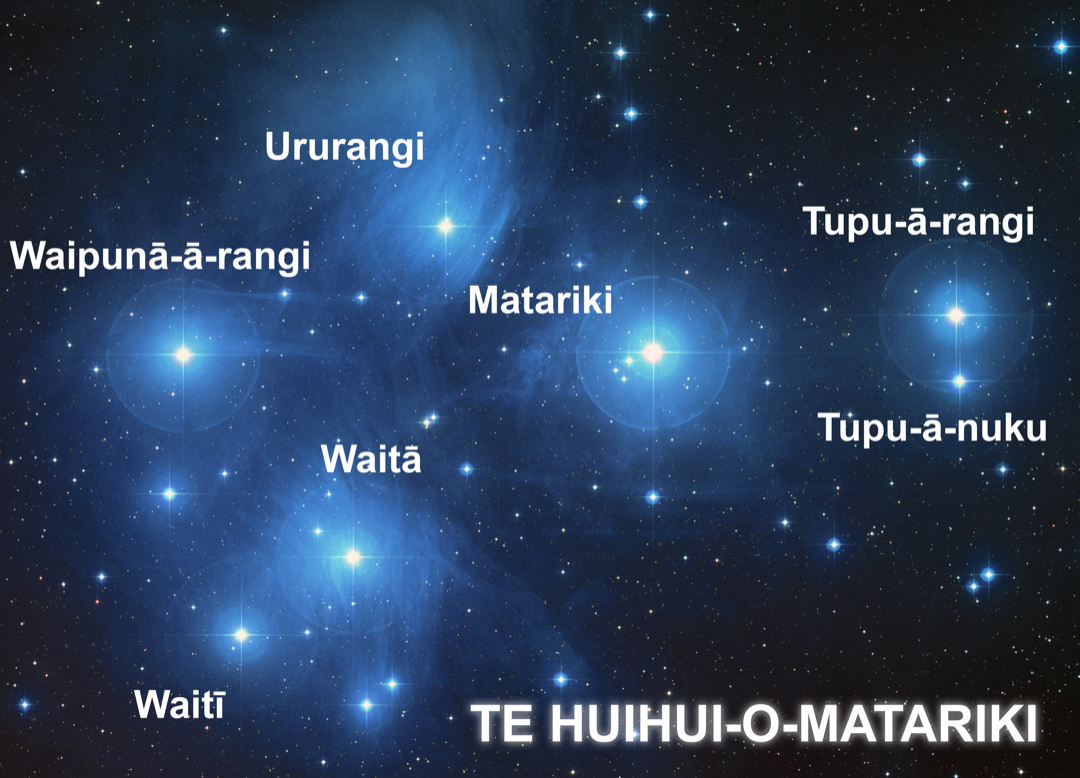
Matariki literally means the ‘eyes of god’ or ‘little eyes’ (mata riki). According to myth, when Ranginui, the sky father, and Papatūānuku, the earth mother, were separated by their children, the god of the winds, Tāwhirimātea, became so angry that he tore out his eyes and threw them into the heavens.
Māori also have their own New Year, which is marked by the rise of Matariki, the group of stars also known as the Pleiades star cluster or The Seven Sisters, and the sighting of the next new moon occuring during the middle of winter. Traditionally, Matariki was used to determine the coming season’s crop. A warmer season, and therefore a more productive crop yield, was indicated by how bright the stars were
Matariki provides an ideal opportunity to explore the ways that people pass on and sustain aspects of their culture and heritage.
Weaving pattern Drafts:
Victorian


/posters-seamless-pattern-victorian.jpg.jpg)
Herring bone
Herringbone, also called broken twill weave, describes a distinctive V-shaped weaving pattern usually found in twill fabric. It is distinguished from a plain chevron by the break at reversal, which makes it resemble a broken zigzag. The pattern is called herringbone because it resembles the skeleton of a herring fish. Herringbone-patterned fabric is usually wool, and is one of the most popular cloths used for suits and outerwear. Tweed cloth is often woven with a herringbone pattern.

Project Planning
- Project working title: The unified – Kotahi
- Programme – What are you designing?: I am designing a moment of education, through learning about the maori history.
- What do you want your design to express and why is this relevant?: To express an element of reflection. While learning about the heavy value of the history of the land the viewer will ponder on themselves and contemplate over their on life choices, and how they are creating their own history to leave behind. Reflect a peaceful moment away from the city. What is its poetic? The moment of reflection, The opportunity to reflect on oneself and the impact on history, a metaphorical bridge between the history and present, between Maori and European, between Ignorance and knowledge. The water is ironically the opposite of a bridge yet is able to connect the glass houses directly. What is its purpose? To in a quiet reflective way to introduce to the significant history of the Auckland domain/Winter-garden especially emphasising the Maori history.I want my design to create unity between people of all backgrounds, colours and ages. I want everyone to finally feel understood and comfortable. What is its value? Bringing knowledge and respect to the Maori land by honouring it’s history.
 Zaraspaces