Everybody in the place – 21/07/2020
Thoughts: Intervention, a negative invasion of a space. Why is intervention sound so negative. Butting in, invading, interrupting, changing. An intervention of a space goes against the original space rather than work with or reinforce.
Social space – even though when I first heard of a social space I first thought about foyer areas. But when realising that any accidental or intentional social interactions creates a social space. Social interactions –
- reciprocal action or influence
- communication or direct involvement with someone or something
There is a non verbal interaction, knowing someone is there but not confident enough to talk to them, this creates an influence of the mood and emotion of the person in the space. Changing the atmosphere of the interior space. From peaceful, to awkward, to quiet and thriving.
Spaces which change depending on social interactions: Bus stops/stations, bathroom sinks, park bench, stairways, elevators, hair salons, kitchen bench, doctors reception/waiting room , look outs, busy cafes – empty cafes, hot-pools, crossings at intersections, grocery counter, ice-skating rink, womens changing rooms, front door of homes, small park, libraries.
Spaces influencing the emotional reaction and mental adjustment of people is the contradiction of people altering the atmosphere of the space, from a chaotic fear driving space to a relaxing peaceful location. The change of the design process. Thinking about people first before the interior.
Grocery Shop
Roving, Placing, exchanging

Stares and judgement, a space filled with choices, good or bad, judged for choosing expensive or cheap, healthy or not. Children misbehaving, elderly taking their time. A constant light quality throughout time. Blurts of sales announcement interrupt peace. An unconscious need to hurry. Overwhelming flood of colours, a non stop of exchanging and moving.

Bus
Occupying, Joining, relaxing


Transporting from a destination to another,people with different journeys, experiences, ages and cultures colliding in an uncomfortable space – jammed in, personal space compromised. Both a space to think and relax or stress about the future; running late and upcoming events. A confined space with an ever changing environment. A tugging instinct to converse with ‘small talk’ to the neighbouring stranger.

Kitchen bench
Eating, roving, assembling

Chattering conversation, movement in and out, a flood of senses, wafting scents fill and empty. A constant transition between clean/tidy and messy and dirty. A place to sit and discuss while sharing a common, a meal. Informal. A constant change of form – lighting, temperature, noise, smell.

Chosen social space – Kitchen Bench or Living room. 23/07/2020
Negotiation of space and physical objects. A discussion of design playing with objects. Conversations and moods impacting space, the variation of the way which objects are moved; thrown, passed, slid,
Documents: The tangible or intangible evidence of information, creation or ideas. Movement, certificates, markings, scripts, creations, tracing, mapping, plans.
Definition of document brainstorm

Current presentation ideas:
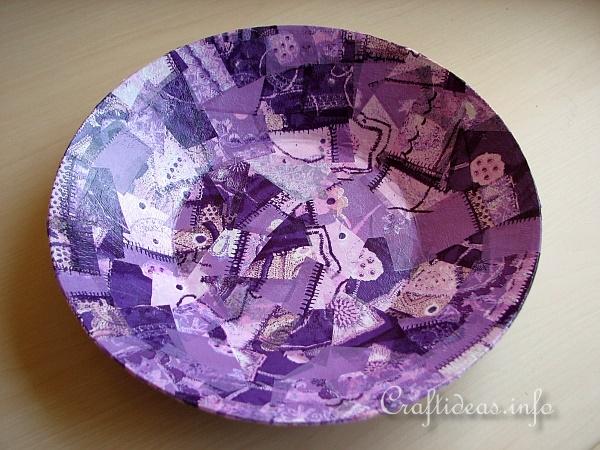
Smash plates or paper mache a breakfast-dinner set a collage of documents organised into the the dinnerware per time period. Smashed side representing bad moods/tension and negativity.
My creative out of the box way or presenting was put to an end due to Lucy explaining that If i joined all the documents together it would no longer be considered as seperate documents.. I must display them individually.. No creating a book or other clever ways of presenting. My idea changed from this to simply displaying my documents in a perfect rectangle imitating the benches form.
Visual – A constant change of light quality as the sun moves from east out the kitchen window. There is an ever changing format of piles of paper moving, being organised, filed away then more new papers being placed on the bench. Food is constantly being prepared on the bench, some clean up attempts less successful than others, leaving scraps, crumbs and spills all over. Clean and tidy is the aim at the end of the day. People dancing in and out, sneaking in and stealing food from the pantry, preparing meals, working on laptops, baking and starting conversations and discussions.
Smell – The fresh smell of flowers, prepared breakfasts and coffee, fresh baking, warm dinner, and cleaning products.
Audio – A variation of chatter, work calls, arguments over misunderstandings or bad moods, dish washing machine rumbling, vacuum cleaners, rustling products, laughter, birds chirping, loud music when people cleaning.
Taste – Variation of tastes from meals
Feeling – Warmth and family, hard floor below me and a mixture of textures throughout.
Week 2 – Chosen social space: The kitchen island
Exchange, Eating, Assembling, Document One:
I set up a tripod and sat in the space for 12 hours, watching and capturing the changes of light quality, movement, actions, and interactions. I witnessed the bench corner pile and become organised.

Document Two:
This 12 houred timelapse captures movement in a singular frame, highlighting the duration of objects and people in the space and their permanence.

Kitchen island, a private space where people are only welcomed from outside. A space which is adaptable from event to situation. Peaceful, silent, a place to ponder with a cup of tea. Products spread out upon the table, ready to rearrange, grab and create; transforming the space into a hot, rush with whiffs of strong scents. Settling down with paperwork, thoughts purely on tasks. A place to discuss, argue, converse, agree. A safe space to voice opinion, yet when attitudes shift the rooms clears, running from the stir. The spaces atmosphere is heavily manipulated by the status of the crowd. Cupboard flung upon, a shuffle of plastic bags. A cook is the conductor, the the ingredients obey. Team work compromising personal space.
Gravitational pull towards space: A space of comfort, where creativity is encouraged providing a surface to experiment. A space which bonds families, encouraging discussion and openness. Spontaneous conversations begin over the mutual theme; food. Neglecting no activity, dancing, studying, baking, advising. Smells alter from a whiff of candle attempting to romanticize the space to little old tin compost bin stuffed to the brim. Bills with loose change, migrating from corner to corner, towering the space, invading the idea of tidy. Crumbs scattered across the bench like constellations beg every 3 hours too be cleared.
Reading: Extract from Jenny Odell’s How to Do Nothing
Through reading this extract by Jenny Odell I have really appreciated these two quotes. “Context is what appears when you hold
your attention open for long enough; the longer you hold it, the
more context appears.” I have realised the longer you spend in a space the more information you realise, the reflection changing in the glass, the markings in the wood, the noise the tools make, the way light refracts off different surfaces, and the politics among relationships.
“I would learn about a relationship that involved many different kinds of organisms that I would never think were associated.” After watching and observing I have realised there is a food chain in every situation. To create a sound and fluid environment every one has a part and they are usually all linked in some way.
Mind map of thought relevance in site


Mental awareness and consciousness of space, the nearer the words to the human the more aware. When being in the space I had a period of time where I noted down how my mind was thinking and on what topic. Document Three:

The image about is the representation of my thought conscience during the site visit. Vehicles nearing the moon being less aware thoughts and nearer the ground the more aware and repeated thoughts.
Kitchen island is a place of spontaneous or organised assembling, an exchange of advise, information, humour, teaching and sharing of experience. A collage of actions and tasks, emotions and colours. Political hierarchy is created through placement of body; at the head of the table, having the power through serving as choice is in their hands. Serving, although a voluntary sacrifice of power. Body language writes an unspoken narrative, others behaviors directly manipulate the atmosphere of the space, a once peaceful space complimented with a cup of tea transition is a war of raised voices, harsh lighting and tension. Repetition of the alteration of light quality through out the week from hour to hour. As the smell rises and spreads from the area of production, people are drawn automatically to the scent like a magnet, warm and inviting. The intention behind the movement impacts the route and the weight when moving. Squeezing past, nearness,
Writing response:
Models based from words:


Loving & Comfort
The whole model represents comfort, a supportive yet comfortable interior, the brown shape is also showing the soft paper a sign of love and embrace.


Close & Emotional connection
The below model represents closeness and connection. The two shapes are contrasting though still intercept each-other in a close form. The soft light paper represents emotion, flexible and manipulative. Intertwining and supporting each other.


Eating & Food-smell
The brown shape doubles as an item of food and a plate. The folded sheet placed upon the brown shape represents both the scent whiffing into the air and the item of food placed upon the plate.


Serve & Hosting
The model acting as a table, holding up the, the string represents the act of serving in movement


Slow-paced & Cleaning
The stretched out spiral represents the slow pace and process, the crisp sharp geometry represent organisation and cleanliness and the process tidying


Exchange & Learning
The contrasting material qualities are beginning to intertwine around each-other, introducing one other to new perspectives and opinions.


Movement surrounding kitchen bench, 3 hour duration documentation.
Human movement, Document Four:
During the time spent in space I traced where people moved in the space and the order of where they went back and fourth between.

Dog movement, Document Five:
During the time spent in space I traced where the dog moved in the space and the order of where they went back and fourth between, I noticed the movement style (in straight lines) and taught restrictions/habits which he followed.

Combined movement surrounding kitchen bench, dog and human.
Red – Dog, Human – black, Document Six:
I combined the two Previous documents to see how the lines meet up.

Week 3 – 03/08/2020
Research of the sound-waves created in my space contrasting between during the morning when no one is occupying the space compared to the evening when everyone is assembling in the area conversing. Document Seven & Eight:

Items placed on bench, and their permanence and movement of objects, Document Nine:

Wiping bench up with paper sheet, natural markings are created. Documenting the previous activities in the area, Document Ten:
These markings tell unspoken narratives of the past, showing the multi-purposed space.

Words and phrases said in the space through out 48 hours, Document Eleven:
Listening to common phrases spoken and the way which questions are asked and the language used.

50 Document ideas:
I naturally listed ideas which I wanted to explore in the space.
- Wood flooring markings
- Rubbish build ups
- Shadow movement
- Bird flight across windows
- Colour use-age in space
- Light reflection tracking
- Word mind map
- All paper left on the bench
- Freeze left over liquids
- Vacuum paths
- Happy – mood and effects
- Angry – mood and effects
- Sad – Mood and effects
- Time spent in spaces of people
- Areas dog occupy
- Different weathers photographs
- Tea pouring habit
- Clothing worn in space.
- Makeup left on mugs
- Cups left around
- Types of animals in area
- Outside noises in A. morning
- B. Afternoon,
- C. Evening
- Leave paper down and let markings appear. A. Morning
- B. Evening
- Food eaten in each spaces
- Topics of arguments
- Words from moments of appreciation
- Types of footwear
- Music played at different times
- Doors and cupboards that get left open
- items left on ground
- Lights switched on
- Objects laid out to encourage use
- Body language when alone
- Body language when conversing
- Time entered into pantry
- physical rubbish collage
- Textures in space
- positioning of chairs
- Recorded objects on space
- Layering of photographs
- Spill pattern
- Sound waves morning vs afternoon
- Mapping movement of dog + human
- Movement of human
- Movement of dog
- Collage of photos over time
- Words used in space
Height and movement of chairs, Document Twelve:
I specifically spent time throughout the week watching the vertical movement of the chairs.

Birds eye view movement of chairs, Document Thirteen:

Grounded items in form over 24 hours
Objects left on floor in 48 hours, Document Fourteen:

Space occupied by people, Document fifteen:
I recorded the time which people pondered in for long periods of time. Mainly completing lengthy tasks such as cooking, preparing food, eating, washing up or feeding the dog.

Times entered pantry throughout the day, Document sixteen:
I witnessed the pattern of people entering the pantry, more often the pantry was entered outside of mealtimes during the morning as after lunch appetites where hugely reduced.

Textures in space, Document seventeen:

Space occupied by dog, document eighteen:

Makeup marks left on mugs, pressed onto paper from original mugs, document nineteen:

Paper laid and natural markings left over 24 hours, Document Twenty:
I laid down this A3 sheet of paper for 72 hours and let the natural spills occur on the paper. I witnessed not much spills occurring during breakfast but majority during the evening as peoples energy and attention span reduced.

Cleaning bench form and pattern, Document Twenty-One:
After I wiped up the bench at the end of a meal I was hyper aware of my patterns which I was recreating and straight away went to record them down.

Collage of rubbish produced and left on bench, Document Twenty-Two:
I collected rubbish left on the bench for an entire week and then made an A5 collage from the materials,

Floor markings of wood, Document Twenty-Three:
I studied the floor noticing all the natural knots and markings on the wood.

Vacuum paths moving clockwise, Document Twenty-Four:
As the power supply is on the left I cant vacuum all the way around the bench which is why the pattern starts from half way around and continues to fill in the vacuumed space.

Light shining and tracking throughout the day, Document Twenty-five:

Constant colour pallete, Document Twenty-Six:

Light and shadows through out the day, Morning, day and evening, Document Twenty-Seven, Twenty-Eight, Twenty-nine:

Day 
Morning 
Evening
Collection of dirt on floor, Document Thirty:

Postures in place, body language: Document Thirty-One:

Moods and attitudes in space and the overall affect on others and the general atmosphere, Document Thirty-Three, Thirty-Four, Thirty-Five:

Love comforting sadness 
Anger creating anger and sadness 
Happiness enhanced by love
Selective horizontal and vertical elements in the space length wise, Document Thirty-Six, Thirty-Seven:

Selective horizontal and vertical elements in the space width wise, Document Thirty-Eight, Thirty-Nine:

Variation of footwear worn in space over one week, Document Forty:

Music played during the day, averaged throughout one week, Document Forty-One:

Birds flight plan and direction, migrating across Manukau harbour Document Forty-Two:

A room plan, layered by food preparation and eating areas, and cupboard doors opening, Document Forty-Three, Forty-Four, Forty-Five:


Fruit being stored away compared to being laid out, A psychological response to have a constant visually reminder compared to not. Fruit being eaten more often when being displayed compared to being not. Document Forty-Six, Forty-Seven:

Inside a fridge 
displayed on bench
Sounds heard at different times of day, Document Forty-Eight, Forty-Nine and Fifty:

Morning 
Evening 
Day
Action frozen in time, Document Fifty-One:
Actions; verbs associated with the space, Document Fifty-Two:

Presentation – The perfect rectangle.
My presentation itself represented the most common form of my kitchen island, a perfect rectangle with a file of bills and loose paper on the bottom left corner, a tidy yet orderly space throughout except that cluttered pile.


Gravitational pull:
A private space, where welcome is mandatory. A space which is adaptable from event to situation. Peaceful, silent, a place to ponder. Contradictorily, products spread out upon the table, ready to rearrange, grab and create; transforming the space into a hot, rush of whiffs of strong scents such as a candle attempting to romanticise the space. Bills with loose change, migrating from corner to corner, towering the space, invading the idea of tidy. Crumbs scattered across the bench like constellations beg to be cleared. Settling down with paperwork, thoughts purely on tasks providing a surface to experiment. Kitchen island is a place of spontaneous or organised assembling, an exchange of advice, information, humour, teaching and sharing of experience. To discuss, argue, converse, agree. A safe space to voice opinion, yet when attitudes shift the rooms clears, running from the stir. The atmosphere is heavily manipulated by the status of the crowd. Body language writes an unspoken narrative, behaviours directly manipulate the atmosphere of the space, a once peaceful space complimented with a cup of tea transitions into a war of raised voices, harsh lighting and tension. Cupboards fly open, a shuffle of plastic bags. A cook is the conductor, the ingredients obey. Teamwork compromising personal space. A collage of actions and tasks, emotions and colours. Political hierarchy is created through placement of the body; at the head of the table, having the power through serving as choice is in their hands. Serving, although a voluntary sacrifice of power. As the smell rises and spreads, people are drawn automatically to the scent like a magnet, warm and inviting. The intention behind movement impacts the route and the weight of bodies.. Squeezing past, nearness, a space of comfort.
Working from home


Through my study I have understood that space directly is impacted by the people who occupy it. The situation shifts quickly from a peaceful space to a frantic area. From neutral space to a space filled with colour, flavoured scents and music filling the empty canvas.
My space of a private home is a space of pure acceptance, encouraging confidence and freedom. Messy hair and pajamas to fancy dress. Molding movement toward one another. The movement supports comfort. intimate and loving.
300 word parameters
Did something come out of the documentation that might drive these proposals? Noticing the patterns of movement relating to the emotions displayed is intriguing. Moving tight, constricted with weight maintaining distance from others varying to light movement hugging one another bodies with passion. Clutter reflects the occupants mental state, clean, organised, messy and smeared.
Any hunches, intuitions, gravitational pulls? When a flower doesn’t bloom, you fix the environment in which it grows, not the flower.” by Alexander Den Heijer. Through my designs I have realised that my spaces have huge emotional and psychological effects on people this being through colour symbolism, light quality and surrounding social effects. A space which supports and grows a person, is benefited by society as there knowledge that they have been given a space for mentally stimulus increases there quality of life.
Do you want to extend social activity that occurs, or introduce? A kitchen space is an area of all activities, the activity which I personally think others would benefit from is a personal verbal interaction, encouraging conversation of any topic. How will stimulate such conversations? Creating curiosity, contemplation and analysis of a chosen topic. A busy series of monochromatic sculpture/collages/surfaces manipulating the mental state determining on which colours are present enhanced through LED coloured lighting.
Noticing the patterns of movement relating to the emotions portrayed by the occupants surrounding my kitchen island is intriguing. Moving tight, constricted with the weight applied, maintaining distance from others in contrast to the light movement, hugging neighbouring bodies. Clutter reflects the occupants mental state, organised or chaotic.
The kitchen island is a site which seduces onlookers towards it. A chance to converse and possibly satisfy hunger and cravings. The space lured me in as I noticed the variation in social interactions and the diversity of dependent variables, whether it is the event hosted, the time of day or the number of people occupying the space, or of the light or sound quality. When a flower doesn’t bloom, you fix the environment in which it grows, not the flower.” by Alexander Den Heijer. Through my designs, I have realised that my spaces have huge emotional and psychological effects on people this being through colour symbolism, light quality and surrounding social effects. A space that supports and grows a person is benefited by society as their knowledge that they have been given a space for mental stimulus increases their quality of life. I wanted to investigate the elements which provoke an unconscious psychological effect and therefore alter the atmosphere of the space, concrete provoking the mental and emotional aspects. Negativity repeals company and therefore leaves the space filled with tension resulting in people feeling out of place or apprehensive. Through my practice I want to interfere in which there is no purpose communicated to those in the space, creating a more authentic response and reaction. Increasing tension through time pressure, enhancing specific moods through the physiological responses to colour. Recording inadvertent speech for the occupants to be aware of and Enhancing guilt. How will this stimulate conversation between those in this mutual space? How will this manipulate people’s psyche? Creating curiosity, nervousness, guilt and manipulating emotions.
Modulating the space – temporary
Ideas – Using multiple colours to manipulate emotions or moods
Proposal drafts, Neglected first proposal idea

Recording words spoken on a physical element for display


Add an bell to places people aren’t supposed to go


Covering a wall with clocks to create a tension of time. How long a person does each thing


Create a more permanent cluttered space – One that is impossible to tidy away or clean. Glued down plates or permanently dirty plates


Changed colour proposal to movement slowing


Measured Plan and Section of site for proposals

STATEMENT:
Noticing the patterns of movement relating to the emotions portrayed by people surrounding my kitchen island is intriguing. Moving tight, constricted with weight applied, maintaining distance from others in contrast to the light movement, hugging neighbouring bodies. Clutter reflects the occupants mental state, organised or chaotic.
The kitchen island seduces onlookers towards it. A chance to converse and possibly satisfy hunger and cravings. The space lured me in as I noticed the variation in social interactions and the diversity of dependent variables, whether it is the event hosted, the time of day or the amount of people occupying the space. When a flower doesn’t bloom, you fix the environment in which it grows, not the flower.” by Alexander Den Heijer. The atmosphere of a space subconsciously manipulates a person’s quality of life, whether it supports and assists in the growth of a person through mental stimulus or whether it agitates and stirs up unnecessary pressures such as time constraints, social pressure or feeling Inapposite. Space has huge emotional and psychological effects on people, through visual, audio or social ques such as the response to repetitive sharp sound such as an alarm may trigger nervousness and pressure. The need to alter the pace which is comfortable and realistic causes tension as there is a threat of failure and unmet expectations. The kitchen island has an initial feeling of love through guidance and acceptance, drawing people together sharing a common, nutrition. Once ruined by negativity, trust becomes temporary. I wanted to investigate the elements which provoke an unconscious psychological effect and therefore alter the atmosphere of the space, concrete provoking the mental and emotional aspects. Negativity repeals company and therefore leaves the space filled with tension resulting in people feeling out of place or apprehensive which the depending on the person will have different solutions to ease social friction.
Through my practice I want to interfere in which there is no obvious purpose communicated to those in the space, creating a more authentic response and reaction. Increasing tension through time pressure and interrupting automated daily routine breaking up natural flow, Manipulating people to be aware and enhancing guilt by recording inadvertent speech, making permanent recoverable irritating messes. How will this stimulate conversation between those in this mutual space? How will this manipulate people’s psyche. Creating curiosity, nervousness, guilt and manipulating emotions. Time, Timing, Being on time, running out of time, Alarms, Beep Beep Beep, unnecessary noise, disturbance, lack of peace, breaking flow, slowing down.
The proposal I am going to act out is the “Permanent Mess.” Changeable variables:
- Letting the space sharers know that the intervention is occurring and slowly adding objects to the bench to see how far they can knowingly cope with.
- Changing in sizes: The objects placed on the bench will slowly add up and increase in size. E.g beginning with a gold coin, then a coffee mug and then a large ball and so on.
- Changing categories of objects: e.g Beginning with all items belonging to sports, then removing all and adding all items belonging to the category of food etc and documenting responses per category
- Adding and removing items placed, only allow one item to be placed on the bench ever at a certain time.
The proposal I went with –
Slowly start off with “normal” bench clutter e.g letters and coins and slowly over the hours introduce larger and more odd items. After the 5th/6th hour there should be a large collection of items spreading from the corner outward if other items have not been cleared away. This subtle increase of items shouldn’t cause too much extra attention.
As I was planning to begin my intervention of the social space of my kitchen bench an obstacle came up, and that was for the majority of mid-semester break my whole family went on a holiday away from home, leaving me home alone and therefore the intervention could not take place.
I therefore changed the duration of the intervention to take place from one week to take place across a 15 hour period 7am – 10pm on a day where everyone was at home sharing the space as I would then get the results needed.
At 7am I started my intervention by adding two pieces of paper to the corner of the kitchen bench, subtly half hour by half hour I extended the mess by a couple of random items increasing in size and randomness.


Updated Statement:
Noticing the patterns of movement relating to the emotions portrayed by people surrounding my kitchen island is intriguing. Moving tight, constricted with weight applied, maintaining distance from others in contrast to the light movement, hugging neighbouring bodies. Clutter reflects the occupants mental state, organised or chaotic.
The kitchen island seduces onlookers towards it. A chance to converse and possibly satisfy hunger and cravings. The space lured me in as I noticed the variation in social interactions and the diversity of dependent variables, whether it is the event hosted, the time of day or the amount of people occupying the space. When a flower doesn’t bloom, you fix the environment in which it grows, not the flower.” by Alexander Den Heijer. The atmosphere of a space subconsciously manipulates a person’s quality of life, whether it supports and assists in the growth of a person through mental stimulus or whether it agitates and stirs up unnecessary pressures such as time constraints or social pressure. Space has huge emotional and psychological effects on people, physical changes or social cues may trigger anxiety and pressure such as disordered and cluttered surfaces. The need to alter routine which is comfortable causes tension as there is a threat of failure and unmet expectations. The kitchen island has an initial feeling of love through guidance and acceptance, drawing people together sharing a common, nutrition. Once ruined by negativity, trust becomes temporary. Negativity repeals company and therefore leaves the space filled with tension causing an attempt to ease social friction or removing oneself from the chaos. I wanted to investigate the elements which provoke an unconscious psychological effect and therefore alter the atmosphere of the space, concrete provoking the mental and emotional aspects. Through my practice I want to interfere in which there is no obvious purpose communicated to those in the space. Increasing tension through interrupting automated daily routine. How will this stimulate conversation between those in this mutual space? How will this manipulate people’s psyche?

The paper stock was chosen as the messes which are naturally created in my space use paper with the paper stock of between 90-120gsm. I wanted a very “random” and messy relationship between the documentation as I wasn’t the visual appearance to reflect the intervention. Randomly mixing between pie charts/line graphs, photographs and personal experience statements from people in the space. The apron shape was chosen as the template since the space was the kitchen bench and the kitchen apron directly relates to the space, preventing mess from being spread elsewhere.
Assignment Part 3; Manifesto
Colour scheme: Clutter vs structure.
Reddy browns represents messiness and unorganisation with the red tying in to the irritation and stress. The greys represents structure and thoughtfulness and purposeful.


Research:
What does clutter do to your brain and body?
An expert in organisational behaviour examines the effects disorganisation: https://www1.racgp.org.au/newsgp/clinical/what-does-clutter-do-to-your-brain-and-body#:~:text=Clutter%20can%20affect%20our%20anxiety,other%20people%20decluttering%20their%20lives).
Clutter can affect our anxiety levels, sleep, and ability to focus. Clutter makes us less productive, triggering coping and avoidance strategies that make us more likely to consume unhealthy foods and slouch around binging TV.
Our physical environments (material spaces and objects) significantly influence our cognition, emotions and subsequent behaviours, including our relationships with others and a cumulative effect on our brains. The visual distraction of clutter increases cognitive overload and can reduce our working memory.
In 2011, neuroscience researchers used a functional magnetic resonance imaging machine and other physiological measurements to find that clearing clutter from the home and work environment resulted in a better ability to focus and process information, as well as increased productivity.
Over 3 weekdays Darby E. Saxbe from the University of California-Los Angeles studied 60 dual income homes and found that wives with higher stressful home scores had flatter diurnal slopes of cortisol, a profile associated with adverse health outcomes, whereas women with higher restorative home scores had steeper cortisol slopes. These results held after controlling for marital satisfaction and neuroticism( more likely than average to be moody and to experience such feelings as anxiety, worry, fear, anger, frustration, envy, jealousy, guilt, depressed mood, and loneliness.) Women with higher stressful home scores had increased depressed mood over the course of the day, whereas women with higher restorative home scores had decreased depressed mood over the day.
A chronically cluttered home environment can lead to a constant low ability of fight or flight. This response can trigger physical and psychological changes that affect how we fight bacteria and digest food directly affecting our heart.
People who sleep in cluttered rooms are more likely to have sleep problems, including difficulty falling asleep and being disturbed during the night. This was a proved from a recent conducted at St. Lawrence University by Pamela Thacher, associate professor of psychology. Participants which acquire excessive objects and are unable or unwilling to discard them scored significantly higher on the Sleep Habits Survey and the Pittsburgh Sleep Quality Index, including sleep latency, sleep disturbances and daytime disturbances.
Manifesto examples:

The hand drawn aspect of this manifesto is raw , childlike yet effective. The small sketches turns the written statements into small visual prompts to the viewer, communicating through to the viewer of the meaning.

Such clever aesthetic, the bold monochromatic visual aesthetic is captivating, the horizontal stripes and spheres oddly bring the mind to that of’ Earth.’ The way which this manifesto removes words which are not important is clever. Visually simplifying the texts in this manifesto. The visual idea is so unique and intriguing, the idea of purposefully remove large sections of words brings in the viewer.

The Manifesto based on alienation uses unfamiliar and alien like symbols which captivate in the viewer as the are interested in the symbols, the symbols are seemingly taking over the manifesto. The capitalising of words is effective as it brings the eye towards certain words emphasising key words which therefore describe the meaning further. The ending two sentences are well chosen as it summarises the whole manifesto and leaves the reader with the soul meaning.

The graphics of this manifesto is strong, us visually communicates the modern artistic influence of the german art school. Renowned for both its unique aesthetic that inventively combines the fine arts with arts and crafts as well as its enduring influence on modern and contemporary art. It is visually appealing and descriptive in one manifesto. The font itself reflects the genre of contemporary art.

The vintage fonts and colour connect through to the topic of the manifesto – The expectations of mothers. The clever use of the red lettering is effective creating an organic and draft appearance. The red underlining is effective as it brings your eye to the more important paragraph.

The contrast between the formal structure of the manifesto on the right to the randomness and captivating oddness of the variation to the right. The rotation, variation of fonts, size and layering would be a great idea to use in my manifesto about mess. The clever use of the words, breaking up words letter by letter to simply letting a word speak on its on.

The listing of the statements regarding “the art of the new aesthetics” is clever and strong and effective, easily able to be learnt from. The rotation of the main word “aesthetics” is so clever and I would love to use this technique. The viewers eye is drawn to the rotated word. The layering of words and writings is clever and effective as it simultaneously brings your eye towards the title and the listing.

The image of the fish is unique, having images and not just words reaches out to the audience. The wording is engaging and simple yet effective. The layering of the words is intriguing.


Maintenance Art is a Manifesto that a lines its content near mine. It has quite a formal and well written format and wording, covering all areas of the topic like a legal document. I love the short yet well thought sentences. I don’t enjoy the blandness of the layout, I would have loved to see some colour and creative fonts however since written in 1969 there may have been reason behind the simplicity.
What is the provocation for you as a designer?
Manifesto draft:
verb: clutter; 3rd person present: clutters; past tense: cluttered; past participle: cluttered; gerund or present participle: cluttering. Cover or fill (something) with an untidy collection of things.”the room was cluttered with his bric-a-brac” noun: clutter. A collection of things lying about in an untidy state.”the attic is full of clutter.” An untidy state.”the room was in a clutter of smelly untidiness” Why is clutter and mess normalised and considered simply “lived in”? Why is it when there is organisation the first assumption is OCD? Either “This place is a pigsty” or “This isn’t a show home.” Perfect organisation is an intimidating seduction to onlookers, drawing them in. A conversation between the hunger of order and the cravings of the comfort of ease. Luring me in like an empty canvas, planting seeds of creativity, room for the potential. The atmosphere of a space subconsciously manipulates a person’s quality of life, whether it supports and assists in the growth of a person through mental stimulus or whether it agitates and stirs up unnecessary pressures such as time constraints or social pressure. The negativity repeals company and therefore leaves the space filled with tension causing an attempt to ease social friction or removing oneself from the chaos. Concrete provoking the mental and emotional aspects. Clutter reflects the occupants mental state, organised or chaotic.
verb: clutter; 3rd person present: clutters; past tense: cluttered; past participle: cluttered; gerund or present participle: cluttering. Cover or fill (something) with an untidy collection of things.”the room was cluttered with his bric-a-brac” noun: clutter. A collection of things lying about in an untidy state.”the attic is full of clutter.” An untidy state.”the room was in a clutter of smelly untidiness”
Why is clutter and mess normalised and considered simply “lived in”? Why is it when there is organisation the first assumption is OCD? Either “This place is a pigsty” or “This isn’t a show home.” Perfect organisation is an intimidating seduction to onlookers, drawing them in. A conversation between the hunger of order and the cravings of the comfort of ease. Luring me in like an empty canvas, planting seeds of creativity, room for the potential. The atmosphere of a space subconsciously manipulates a person’s quality of life, whether it supports and assists in the growth of a person through mental stimulus or whether it agitates and stirs up unnecessary pressures such as time constraints or social pressure. The negativity repeals company and therefore leaves the space filled with tension causing an attempt to ease social friction or removing oneself from the chaos. Concrete provoking the mental and emotional aspects. Clutter reflects the occupants mental state, organised or chaotic.
Manifesto type 1

I chose the colours of cream/beige and brown together as I thought it represented both mess and order together nicely. The effect of having each paragraph as a different size, and rotated facing different sides yet still maintaining a readable yet random aesthetic which would support my message.
One mans disordered chaos is another mans chaotic order. The challenge is to define ‘mess,’ whether created by oneself or another. Perspective separates one being a lover of piles from a dreader of agglomerate. Time and the development of the status of order correlate directly, positively or negative, dimensions may be gained or lost. The growth of the scale increases catastrophe, spared from distraction. In contrast, the collection reduces stress elsewhere through compiling, creating a ‘TO DO’ list. Who is in possession of clutter? Clutter and mess is normalised and considered simply ‘lived in.’Why is it when there is organisation the first assumption is OCD? Either “This place is a pigsty” or “This isn’t a show home.” Is there such thing as a perfect mess? Perfect organisation is an intimidating seduction to many onlookers, drawing them in. A conversation between the hunger of order and the cravings of the comfort of ease. Luring some in like an empty canvas, planting seeds of creativity, room for the potential however may scream silence in anothers ears, no life, no warmth, no character. The atmosphere of a space subconsciously manipulates a person’s quality of life, Agitating and stirring up unnecessary pressures such as time constraints or social pressure or creating a visual cue. The negativity between occupants repeals company and therefore leaves the space filled with tension causing an attempt to ease social friction. Concrete provoking the mental and emotional aspects. Clutter reflects the occupants mental state, organised or chaotic. Perspective is the root to all challenges. Compromise is the solution
Manifesto type 2

I began with a uniform and symmetrical paragraph which subtly transitions into an Asymmetrical paragraph looking a bit shabby and messy on the right side of the paragraph and then gradually widens until the words leave the “organised” appearance and begin to be uncontrollable and curve further up around the top right.
Manifesto type 3

Inspired by the manifesto previously mentioned, I have attempted to use the randomly assorted and sized paragraphs and played around with layering like a hatching technique which the wordings becomes “messy” and unreadable. I have maintained the colour scheme of white and brown as previously mentioned represents both the organised and chaotic sides.
Drafting the manifestos wordings, keeping it messy:
One mans disordered chaos is another mans chaotic order. The challenge is to define ‘mess,’ whether created by oneself or another. Perspective separates one being a lover of piles from a dreader of agglomerate. Time and the development of the status of order correlate directly, positively or negative, dimensions may be gained or lost. The growth of the scale increases catastrophe, spared from distraction. In contrast, the collection reduces stress elsewhere through compiling, creating a ‘TO DO’ list. Who is in possession of clutter? Clutter and mess is normalised and considered simply ‘lived in.’Why is it when there is organisation the first assumption is OCD? Either “This place is a pigsty” or “This isn’t a show home.” Is there such thing as a perfect mess? Perfect organisation is an intimidating seduction to many onlookers, drawing them in. A conversation between the hunger of order and the cravings of the comfort of ease. Luring some in like an empty canvas, planting seeds of creativity, room for the potential however may scream silence in anothers ears, no life, no warmth, no character. The atmosphere of a space subconsciously manipulates a person’s quality of life, Agitating and stirring up unnecessary pressures such as time constraints or social pressure or creating a visual cue. The negativity between occupants repeals company and therefore leaves the space filled with tension causing an attempt to ease social friction. Concrete provoking the mental and emotional aspects. Clutter reflects the occupants mental state, organised or chaotic. Perspective is the root to all challenges. Compromise is the solution
Manifesto Type 4

Working off a more unique design, I tried to create a messy and chaotic design which was difficult to read. I shortened and simplified my statements working from top left down talking about mess-makers , and bottom right up talking about the more organised people with the centre as a compromise or solution. I layered on top of the design with the words altered from the cliche phrase “one mans trash is another mans treasure” into ” one mans chaotic order is another mans ordered chaos”
Manifesto type 5

This design was created after having a great discussion with Rachel around the fact that manifestos do not need to provide a clear solution or compromise but just need to deliver a statement or a learning outcome. I came away with the awareness that it is not that people are either tidy or mess but that it all came down to the perspective. Whether you are going to be experiencing a space for a long period of time, whether the space is of importance to you, how you cope around mess, and what you define as “mess,” etc. This manifesto I wanted to make it clear that perspective divides the views like being around the corner of someone like this cube, a person may be very similar and close however with the change in view it alters a-lot.
Reasons someone may make a mess, different perspectives
- No care for the space e.g littering on streets
- No time to put items in correct space e.g rubbish bin or away in cupboards
- Too lazy/tired to go the extra mile. e.g make bed in the morning with throw blanket
- Purposefully mess up an area as a hate action e.g graffiti
- Unaware of the proper location things go.
- Creating a “to-do” pile, moving all the mess from other spaces into one space to form one messy space to clean up.
- spreading out items for better visual understanding, e.g paper sheets on a desk.
- If everything else or everywhere else is in a messy state already.
- Wanting someone else to put away their mess for them, e.g plates into dishwasher.
- False promises to themselves that they will come back later and tidy up.
Manifesto Type 6

This manifesto was trying to break down the similarities and difference between those of different views. A more organised visual appearance, breaking it down clearly like a family tree. Alternating between fonts, colours and shapes,
Manifesto Type 7

Like ‘manifesto type 6’ this manifesto focused on the more orderly aesthetic and visually compared both sides of orderly vs messy. Comparing the different phrases and experiences.
Final Draft One
This final Manifesto was off the progression of my manifesto type 2 as it represented both the major orderly and majorly messy. Changing my final learning outcome to be simply that there is no solution, the subject of mess vs tidy is simply undefinable. Everyone in a shared space does what they feel/naturally are designed to do, other may need to conteract their actions. For there to be ‘tidy’ers there need to be messers and those roles do not stick. No rules, and no expectations. One day you may not make your bed but that is okay.

Final Draft Two.

Final Draft Three

Final Draft Four

Final Draft Five


These three alternative fonts were also considered for my final manifesto, I cancelled out the first option as the cursive handwriting added too much ‘class’ for my mess section and compromised the affect I was after however I love the handwriting/raw aspect which it brings. The second font was not used in my final manifesto as the all capitalised writing looked too unprofessional for the orderly section as seemed as if the piece of writing was screaming out instead of being an easy read which transitions into a more compromising piece. The more vertical font also portrayed a more causal and stretched out appearance which creates a more lengthy and drawn out narrative. Messes do not only occur after a long period of time, the worst messes happen after a short period of time and unknowingly. The third font was a very close second, however the spaces between the letters was not ideal as it does not create an easy flow when reading, the font I chose is a more neutral font which enhanced my meaning however this font seemed as if the writing was in slow motion – rounded and spaced out.
Statement:
Noticing the patterns of movement relating to the emotions portrayed by people surrounding a place of spontaneous assembling, an exchange of advice, information, humour, teaching and sharing of experience. The kitchen island seduces onlookers towards it, a common. The light movement, hugging neighbouring bodies becomes moving tight, constricted with weight applied, maintaining distance from others. Body language writes an unspoken narrative. The space lures me in as I notice the variation in social interactions and the diversity of dependent variables, whether it is the event hosted, the time of day or the amount of people occupying the space. The atmosphere of a space subconsciously manipulates a person’s quality of life, whether it supports and assists in the growth of a person through mental stimulus or whether it agitates and stirs up unnecessary pressures such as time constraints or social pressure. Space has huge emotional and psychological effects on people, physical changes or social cues may trigger anxiety and pressure such as cluttered surfaces or lighting. Once ruined by negativity, trust becomes temporary. Negativity repeals company and therefore leaves the space filled with tension causing an attempt to ease social friction or removing oneself from the chaos. Political hierarchy is created through placement of the body or responsibilities; the head of the table. Others behaviours directly manipulate the atmosphere of the space, a once peaceful space complimented with a cup of tea transition is a war of raised voices, harsh lighting and tension.
Final Piece:

As someone who usually can not stand mess, I had to alter and alter the design until the the messy portion was truly messy, not a designed mess but one of oddness and randomness which did not make sense, with no structure. Gradually becoming more and more messy. A spectrum. Changing in sizes, angles of rotation, and placement, starting to intrude into the organised space and making it difficult to be productive through reading it easily, this is due to the angled words with an assortment of sizes, random placement, and the layering on top of other words. The movement of the head when reading and having to second guess yourself that you read it correctly adds to the meaning of the manifesto as it is compared to the efficiency of the organised portion. The messy butts in to the clean and organised compromising it.
Choosing paper-stock and colour of card for manifesto.
Chosen dimensions of manifesto to be A3 to be large enough to be bold and stand out to those who are reading it, large enough for the ‘messy” portion of the manifesto to be read despite the difficult non structured structure.
The colours of the card I was choosing between was the below. I decided on either black matte and rough vs beige of three tones.

The black card despite the lettering being of a light colour did not print easy to be read but only reflected in the light and therefore both black card options were not chosen.


The white card and beige lettering was not intriguing enough and didn’t bring the eye towards the manifesto although the colours looked great together and represented the manifestos statement, I decided this colour combination was not going to be the combination I was going to be going after.

Choosing which of the 50 documents I would display for the final presentation was a journey, I thought I wanted a variation of different areas to document e.g Visual, sound, feeling, emotions, textures, natural markings and lighting. I added descriptions to the back of each document to fully explain to the viewer the meaning of each documentation.
The layout of the documentation was in the form of a spreading mess leading to the manifesto in on the table. The focal point.


 Zaraspaces